Nobody Told Me When to Start. That Was the Problem.
There was a period not long ago when I was dealing with a particularly difficult stretch of work. Nothing dramatic – just the kind of tasks that sit heavy, the ones you know need doing but can’t quite bring yourself to open. The result was a very specific morning routine that I am not proud of.
I would wake up. I would be completely awake. I would lie in bed until 11 anyway.
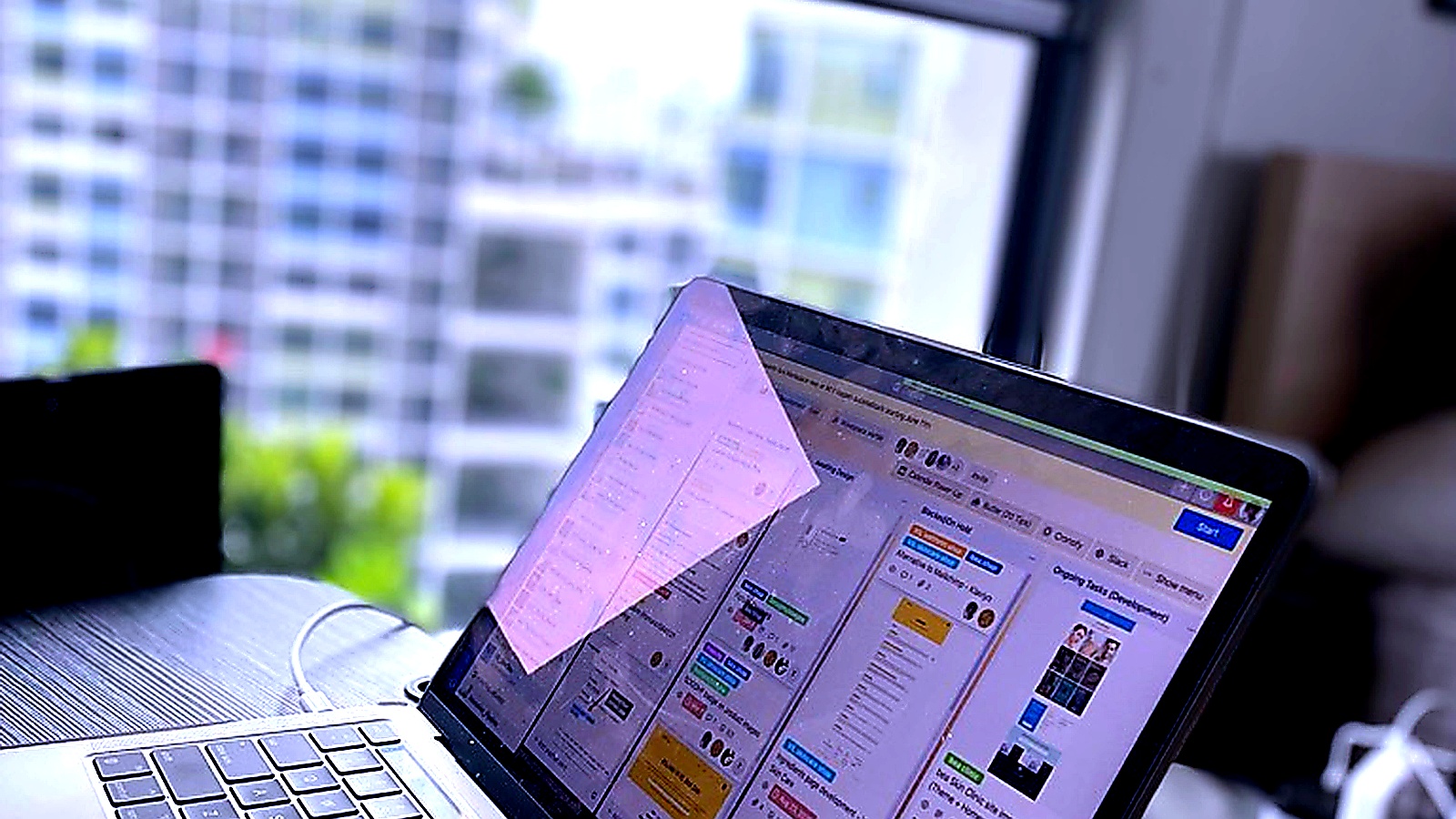
Then I’d move to the kitchen and have what I convinced myself was a late breakfast, which was really just lunch eaten slowly as an act of delay. Then I’d sit with my laptop closed for a while longer. Then, sometime in the early afternoon, I’d finally open it and face whatever I’d been avoiding, which, crucially, had not gone anywhere. The problem had simply waited for me, now with less of the day left to deal with it.
This is the particular cruelty of working without an office. Nobody comes to find you. Nothing happens if you don’t show up. The work stays right where you left it, patient and unmoved.
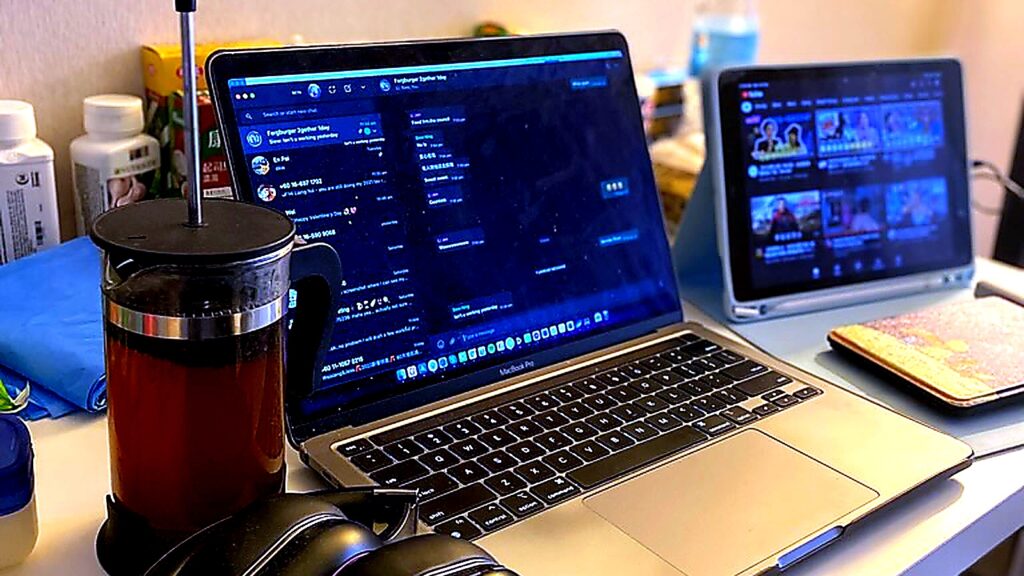
I work from home most days now, which suits me. The internet is reliable, the electricity stays on, and I don’t spend money sitting in cafes that have started making their chairs intentionally uncomfortable to discourage long stays. When my home connection went down recently, I spent a day at a Starbucks and it was, if anything, slightly more productive than usual — no laundry to notice, no domestic task to use as an excuse, nothing to look at except the screen. The forced context switch was useful.
But home is where I work best, when I work with any discipline at all. And the thing I’ve learned, slowly and mostly through failure, is that remote work doesn’t come with rules. It comes with the absence of rules, which sounds like freedom until you realise that human beings are, in fact, creatures who need structure. We just don’t like admitting it. Research consistently shows that structure and routine improve focus and wellbeing – the irony being that remote work offers neither by default.
So you have to build the rules yourself. This sounds simple. It is not simple.
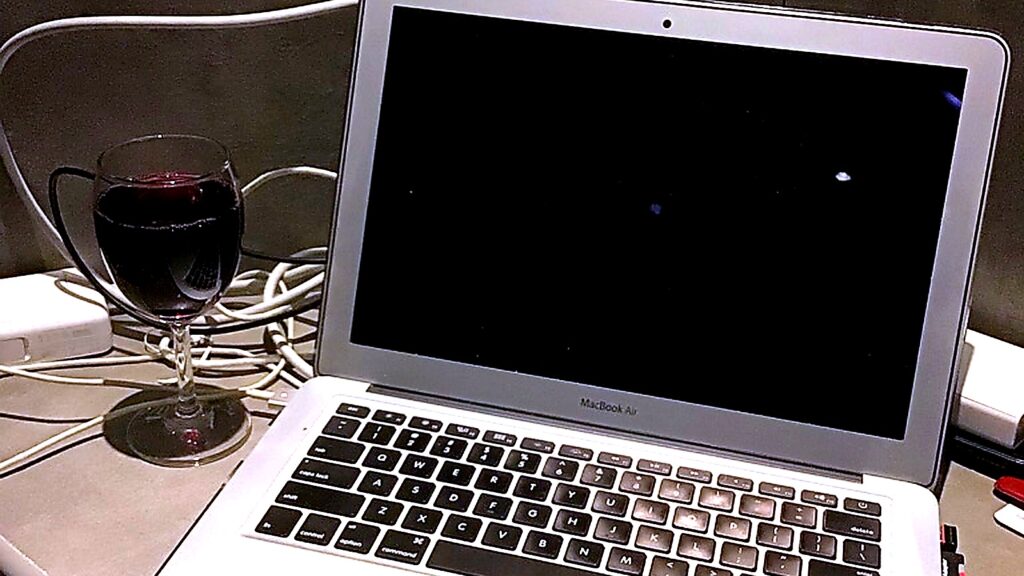
Most of my clients are based in Europe and the US, which means their afternoons are my late nights. There have been stretches where something urgent came in at ten or eleven, and I found myself deep in a client problem at one in the morning, the client eventually saying something like “you should go rest, I know it’s late there.” My long-term clients know my boundaries by now – after a certain hour, I’ll attend a call or take a briefing, but I won’t take on anything heavy. That’s the rule.
The problem is that sometimes I break my own rule. Something comes in, and I think: I can just sort this now. And I open the laptop. And what I’ve learned is that this isn’t diligence — it’s a different kind of avoidance. Staying busy late at night to feel productive is its own way of not dealing with the harder question of how you want your day to actually look.
The structure I’ve arrived at, after years of getting this wrong, is less about specific hours and more about boundaries with myself. A dedicated workspace at home, even if it’s a corner of a room. A time when the laptop opens and a time when it closes. An understanding that the difficult task is going to be there whether I start at nine or noon, and it’s better to meet it when I have energy rather than when I’ve run out of ways to postpone it.
I don’t always follow my own advice. The difficult stretch I mentioned earlier is proof of that. But I’ve found that when I do hold the line — when I start when I said I’d start and stop when I said I’d stop — the work is better, and I end the day feeling like a person rather than someone who happened to use a laptop. If you’re curious what years of ignoring this actually does to your body, I wrote about that too.
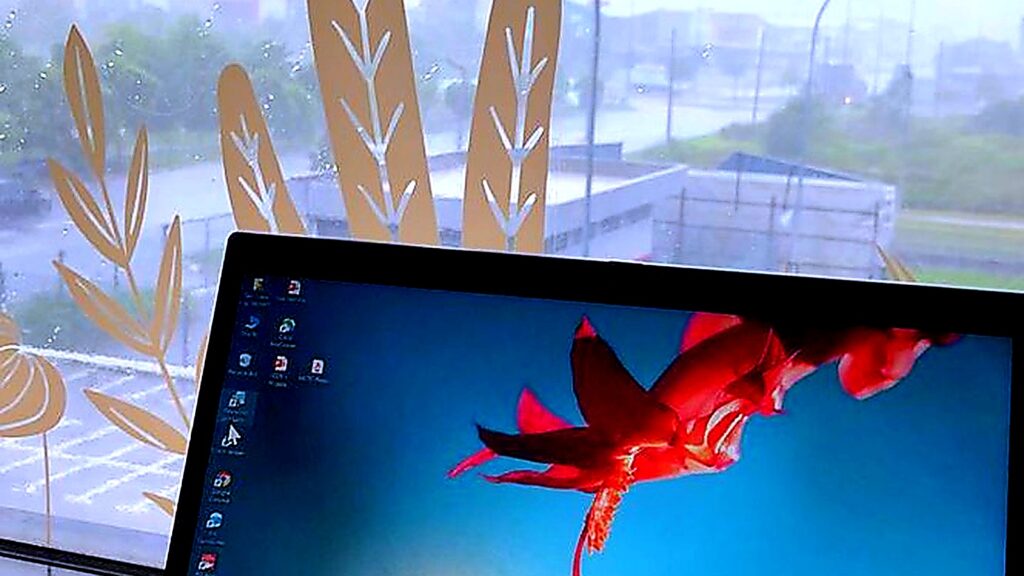
Remote work gave me back time I hadn’t expected to have. No commute. No office politics in the corridor. No obligatory birthday cake. But it also took away the invisible scaffolding that an office provides without you ever noticing it’s there. The beginning-of-day feeling. The shared rhythm. The social permission to stop.
You have to build that yourself. It takes longer than it should, and you’ll get it wrong more than once. But the alternative – lying in bed until 11, eating a strategic lunch, opening your laptop with dread in the early afternoon, is its own kind of full-time job. One that pays nothing and costs the whole morning.