

What Five Years of Freedom Did to My Body
I want to be clear that I am not writing this as a cautionary tale. I’m writing it because nobody told me, and I think someone should.
Freelancing is sold as liberation. You set your own hours. You answer to no one. You work from anywhere, wear what you like, and structure your days around your actual life. All of this is true. What the brochure doesn’t mention is what happens when your actual life has no structure at all.
2019: The Busiest I’d Ever Been
At my peak, if you can call it that, I had over a dozen clients. The work was there, the income was coming in, and I told myself I was building something. What I was actually doing was saying yes to everything and pretending that exhaustion was just part of the deal.
There were no office hours because there was no office. There was no clocking out because there was no clock. My sleep schedule drifted later and later, nudged along by client calls in European time zones and the particular kind of mental noise that comes from never fully switching off.
Then COVID hit, and whatever structure I’d had quietly dissolved.
The Body Starts Keeping Score
It didn’t happen all at once. That’s the thing about this kind of burnout. It accumulates.
Weight first. A few kilos a year, nothing dramatic, but consistent. Then the tiredness that sleep didn’t fix, the kind where you wake up and immediately feel like you could go back to bed. Then the headaches. Then the blurry vision. Then a persistent feeling in my throat, like something was stuck there, accompanied by a vague nausea that three different doctors couldn’t explain.
Finally last year, the fourth one ordered an ultrasound.
Thyroid nodule. Benign, they said, but there. And while we were at it, I also had GERD.
I’d been living with undiagnosed acid reflux for long enough that my body had simply adapted around it. Famotidine sorted the immediate problem. The rest of it, the cholesterol creeping up, the vitamin D at rock bottom, the eosinophils doing something odd, the skin that had turned against me after COVID, that was going to take longer.
Somewhere in the middle of all this, at 40, I started wondering if I was also entering perimenopause early. The symptoms overlapped so completely with autonomic nervous system dysregulation that it was hard to tell where one ended and the other began. Headaches, dizziness, body aches, anxiety, skin flaring up. My body was apparently running several complaints simultaneously and had decided to file them all at once.
The Gym, the Coach, and the Great Giving Up
During COVID, when the gyms closed, I hired an online personal trainer. This was, briefly, excellent. I had structure, someone to be accountable to, and the particular motivation that comes from having paid for something.
Then I looked at the monthly cost and decided I could absolutely figure this out myself.
Predictably, I did not figure it out myself. What I did instead was spend two years telling myself I would start exercising properly once things settled down, which is the fitness equivalent of waiting for perfect conditions before starting anything. Things did not settle down. I did not start.
I’m still working on this one. Some weeks are better than others.
What Actually Helped
The thing that made the most difference wasn’t a supplement or a fitness plan. It was food. But not in the way people usually mean when they say that.
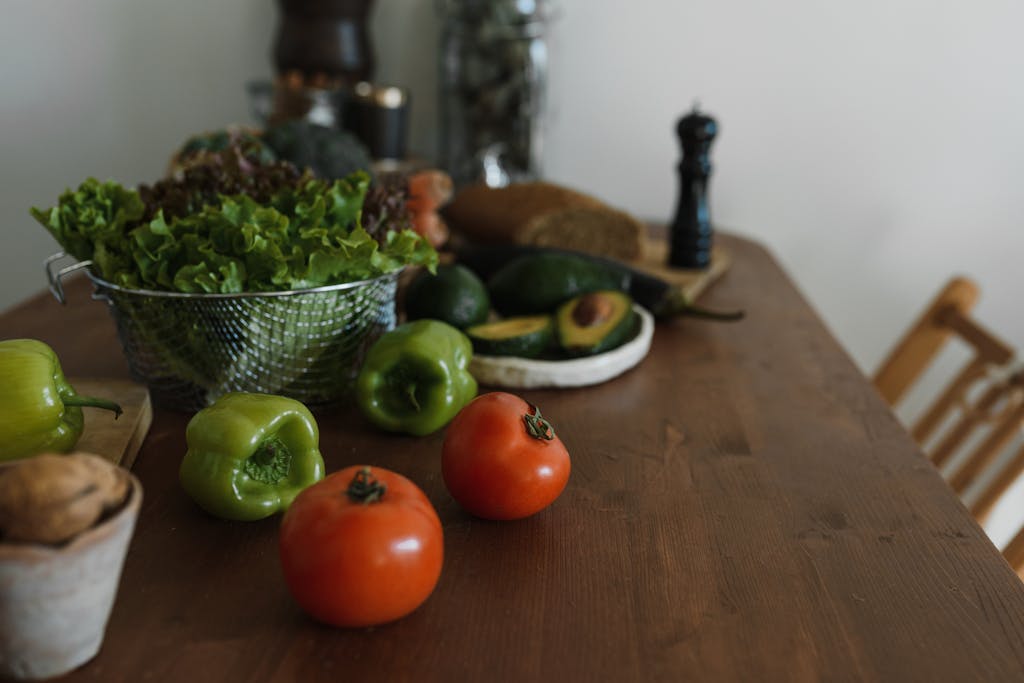
About one year ago, I stopped thinking about food as something to restrict and started thinking about it as something to pay attention to. Less processed food. Less sugar. Less refined carbohydrate. More things that looked like they came from an actual plant or animal rather than a factory. The difference was noticeable within weeks.
But the bigger shift was learning how to eat, not just what to eat.
GERD and LPR are genuinely miserable in a way that’s hard to explain unless you’ve had them. The throat discomfort, the nausea, the inability to concentrate when your digestive system is staging a protest. It affects everything, including work, which is a particular kind of cruel when you’re already stressed.
What helped me:
Eating slowly and chewing properly. This sounds so basic that I’m slightly embarrassed it took me this long, but swallowing half-chewed food is apparently not doing your stomach any favours.
Eating in the right order. Vegetables first, then protein, then carbohydrates. This genuinely changed how I felt after meals, less bloated, more stable energy, fewer flare-ups.
Not lying down after eating. I used to eat lunch at my desk and immediately lean back in my chair. My oesophagus had opinions about this.
Waiting before eating fruit or drinking large amounts of water after a meal. A small amount is fine. A whole glass of water and a bowl of fruit immediately after eating is, for me, a reliable way to guarantee a bad afternoon.
No eating within three hours of bedtime. This one was the hardest because I work late and I eat late and those two things were very comfortable together. Breaking that habit took time and is still a negotiation on difficult days. But it made more difference to my sleep quality than almost anything else I tried.
The GERD improved. The energy stabilised. The skin calmed down, mostly. I’m still finding my triggers. Coffee is a complicated relationship, and stress undoes a lot of progress very quickly. But the general direction is better than it was.
What I’d Tell Someone Starting Out
Your body will absorb a lot. It will absorb late nights and bad food and years of low-grade stress without saying much. And then, at some point, it will decide it has absorbed enough, and it will send you a very itemised invoice.
Mine arrived in the form of a thyroid nodule, a GERD diagnosis, some interesting blood results, and a dermatologist who looked at my skin and asked how my stress levels were.
I’m not saying don’t freelance. I’m saying: build the structure your body needs before your body builds a case against you.
Freedom is worth protecting. So is the person enjoying it.