
The New Year We Spent Failing at Fishing (And Why It Was Perfect)
Before I tell you about the surfer, I should tell you about the fish. Specifically, the complete absence of any fish on my line, which at this point in my life has become something of a personal tradition.
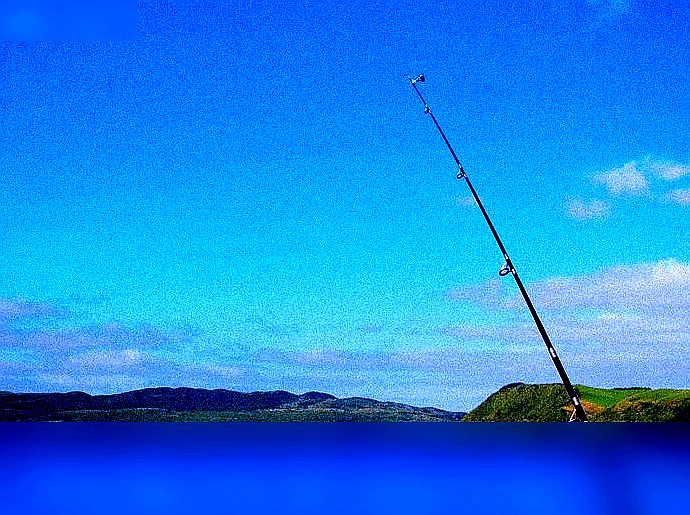
A friend in Malaysia spent an entire afternoon teaching me to cast properly, years ago. I never caught anything. Standing on a pier at Raglan on New Year’s Eve, surrounded by eight Malaysians who had collectively decided that camping and fishing were an excellent way to ring in the new year, I managed to, once again, catch nothing. My companions were pulling things up almost immediately. I watched. I waited. The ocean and I have maintained a long-standing arrangement: it keeps the fish, I go home empty-handed. Till this date on this earth. Zero fish. I have fully accepted this about myself.
It wasn’t our first adventure as a group. We’d already accumulated a fair amount of unplanned experiences since arriving in New Zealand – some of which I’m still processing. But this trip, we actually planned: three cars from the strawberry farm, which should tell you something about the level of organisation involved. Sleeping bags, borrowed tents, a cooler packed with food we absolutely could have cooked at home — all of it loaded into three very tired vehicles and driven to Raglan, a small surf town on New Zealand’s west coast about an hour from Hamilton.
If you haven’t heard of Raglan, it’s the kind of place that becomes instantly legible the moment you arrive. Manu Bay here is said to have one of the longest, most accessible left-hand surf breaks in the world, and the whole town carries the quiet confidence of somewhere that knows exactly what it is: surf shops, cafes, art, black sand beaches, and people moving at whatever pace they’ve decided suits them. Glorious west coast sunsets and a bohemian, laid-back vibe that makes it very easy to stop checking your phone.
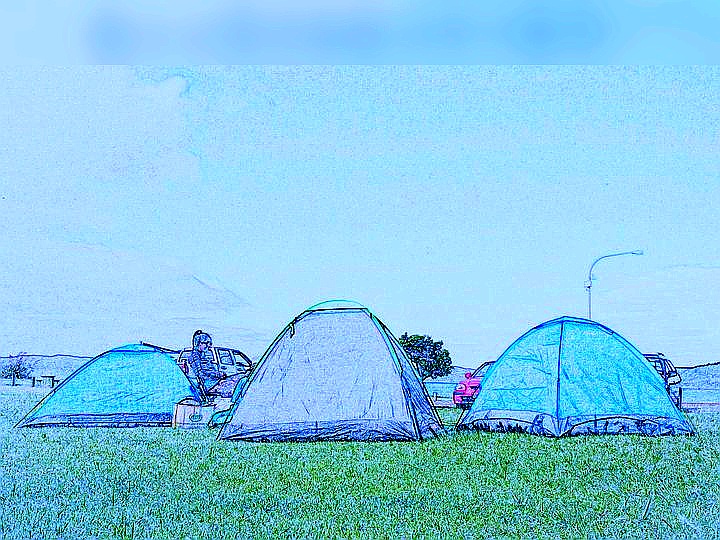
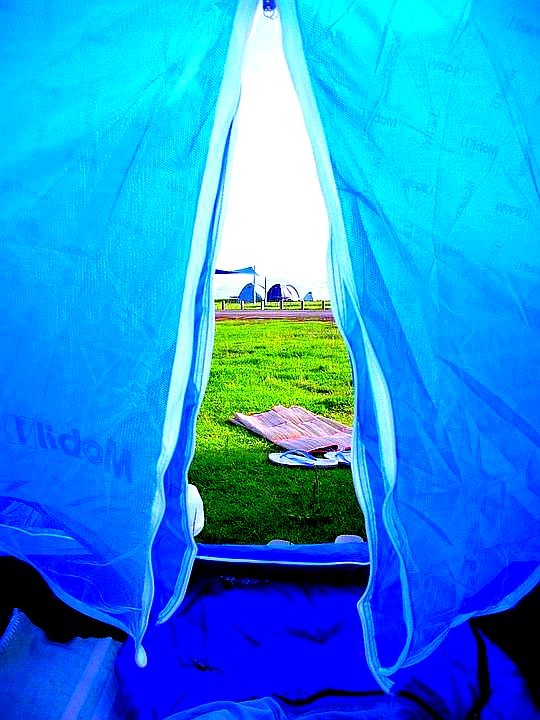
We set up three tents on a grassy patch near the beach. This took longer than it should have. Nobody was entirely sure about the tent poles. We eventually managed something structurally plausible, laid out our sleeping bags, and spent a good portion of the afternoon doing very little on purpose.
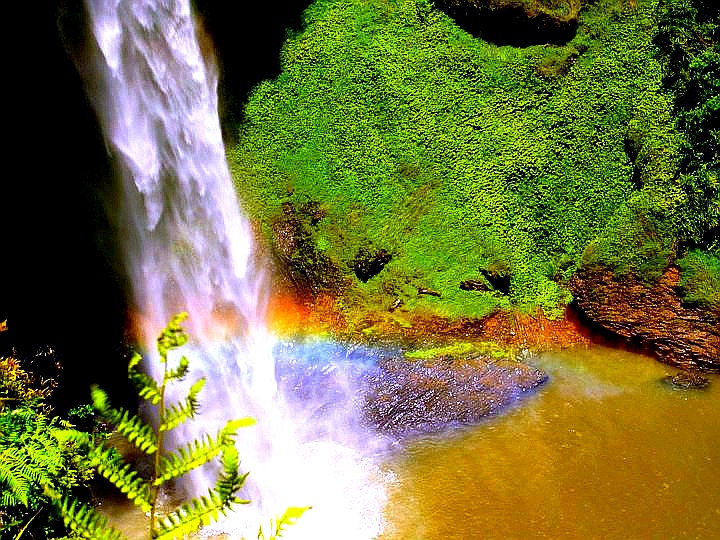
In the afternoon we went hiking on a nearby trail, the kind of walk that winds through landscape so good it makes you slow down involuntarily. Green hills, open sky, the sound of water somewhere below. Then back to camp, then down to the pier for the fishing portion of proceedings, which I have already described.
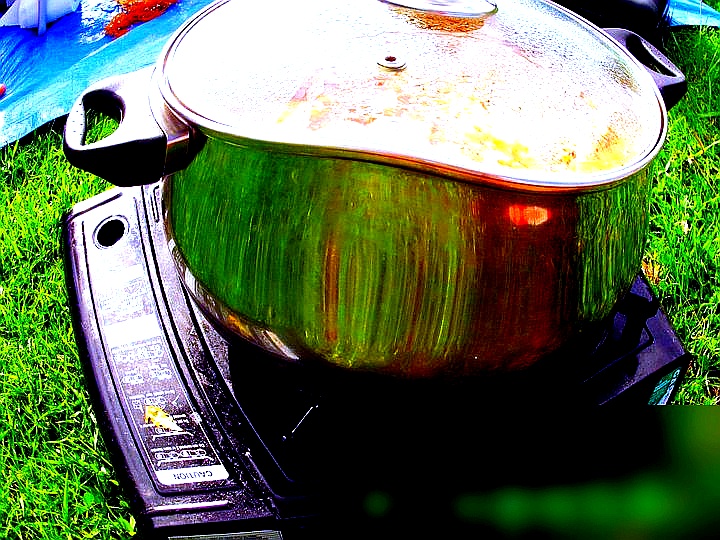
The fish we did catch were too small to keep. Everything went back. We returned to camp and ate whatever had been sitting in the cooler, which was fine — better than fine, actually. There is a particular satisfaction that comes from a meal eaten outdoors after a day of failing at things in good company.
That night we counted down to midnight standing outside our tents. New Zealand is one of the first countries on earth to welcome the new year, which gave our small countdown a quietly significant feeling. No fireworks. No crowd. Eight people in a field by the ocean, shouting numbers into the dark, then wishing each other well and going to sleep. It was, genuinely, one of the better New Year’s Eves I can remember.
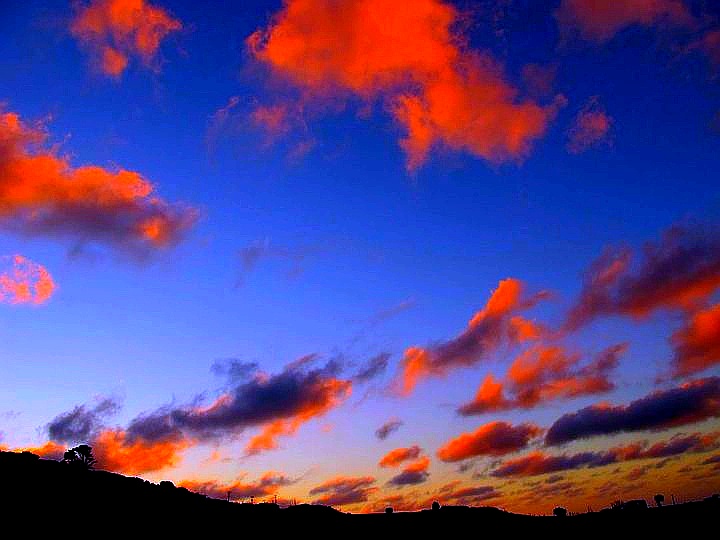
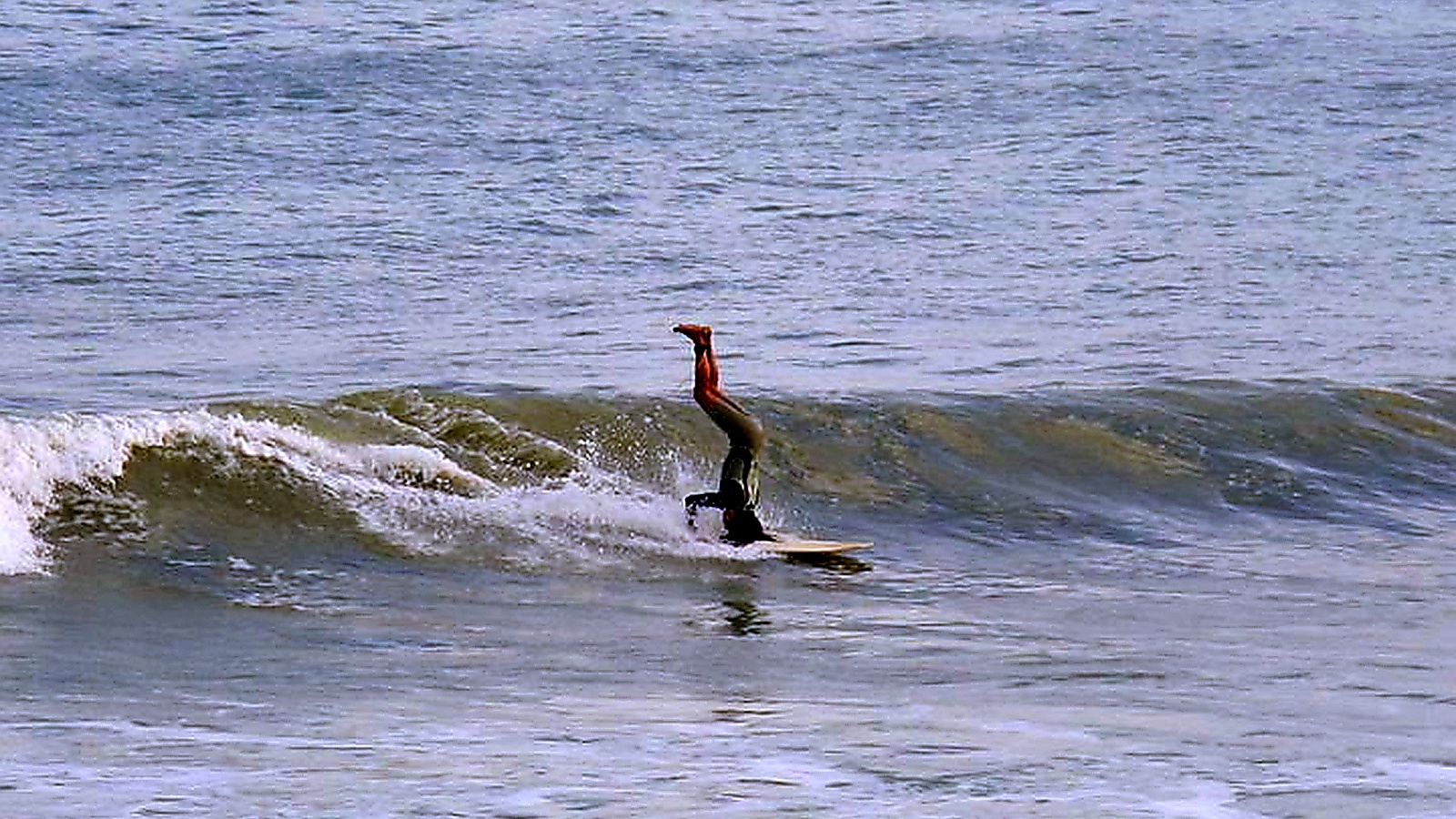
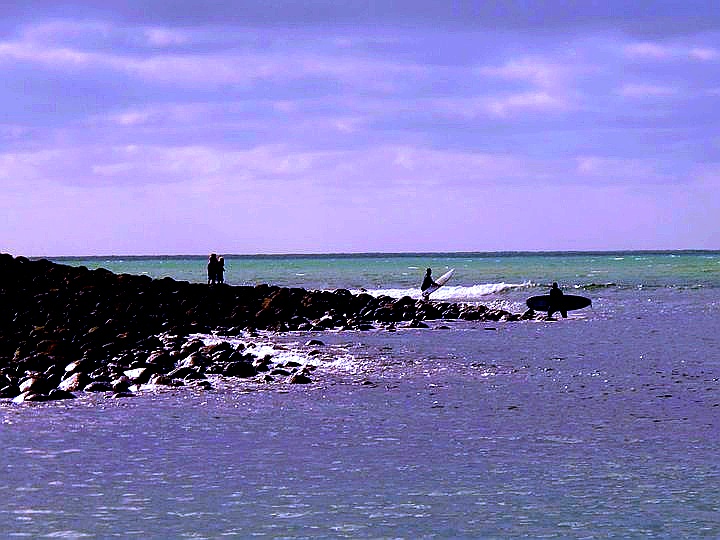
I was awake by six the next morning. The surfers were already out, and from shore I could see them reading the waves the way people read something they love. Then I noticed one of them doing a headstand on his board. Just standing there, upside down, gliding across the water at sunrise as if this were a perfectly ordinary thing to do. I nudged whoever was standing next to me. We watched in silence.
Later, walking back toward the cars, I spotted a man in the car park heading away from the water. Maori, solidly built, surfboard tucked under one arm, moving with the unhurried ease of someone who has done this ten thousand times. Something about the morning made me brave enough to say hello.
It took a moment to realise he was the one from the water. The headstand. He confirmed it without fanfare.
We ended up talking for a while. He had competed in Hawaii, he mentioned, the way you mention something that happened and is simply part of the story. He was retired now. Most days he surfed near his home. Some diving when the season allowed, collecting pāua from the sea floor. Odd jobs here and there. He smiled when he talked about his life the way you smile about something that simply works.
I kept waiting for him to mention the plan. The savings strategy. The backup option. It didn’t come. He was unbothered, not because he was careless, but because he had found his enough.
I grew up in a household where the future was something you managed carefully, or else. Retirement funds, contingency plans, the endless mental accounting of what-ifs. I don’t think that’s entirely wrong. But standing in that car park at six in the morning, I understood something I hadn’t quite put into words before: security doesn’t always look the way we were taught it should. That man wasn’t reckless. He just wasn’t afraid.
My working holiday had been teaching me a version of this, slowly, in the gaps between farm shifts and long drives and tents that took too long to put up. But sometimes you need a person, not a lesson. Sometimes you need to watch someone do a headstand on a surfboard at sunrise and then run into them in a car park and realise they are one of the most settled people you have ever met.
I still haven’t caught a fish. I’ve made peace with that. But I think about that surfer more than I think about a great many things I’ve planned carefully and executed well. Sometimes the reminder arrives at six in the morning, carrying a board, smiling about nothing in particular.