Working Holiday New Zealand: Eating Raw for two weeks
We had it sorted. That was what I kept telling myself on the flight from Kuala Lumpur to New Zealand for our working holiday.
Most people who do a working holiday visa arrive with nothing confirmed — just a backpack, some savings, and a vague plan to figure it out. We weren’t like that. A strawberry farm owner from Hamilton had come to Malaysia, held an informal interview, and hired us on the spot. We had jobs waiting. We had a start date. We were, by WHV standards, practically organised.
Then we bought the car.
Our Working Holiday in New Zealand Almost Ended Before It Started
It was September 2010, and the three of us — me and my two university friends — had given ourselves six weeks to travel the north of the North Island before work began. Couchsurfing our way through small towns, sleeping on strangers’ sofas(it was already familiar territory as I’d done it solo before, across the UK.), eating cheap and moving slow. By the time we rolled into Hamilton two weeks before our start date, we were already a little road-worn.
The car felt necessary. Our boss had made that clear: you’ll need your own transport. So we found a second-hand 1990 Volkswagen Passat, manual transmission, the kind of car that looks like it has opinions. We bought it. And then we looked at our remaining budget and realised we had made a significant miscalculation.
We had enough money for the car. We did not have enough money for two weeks of accommodation on top of it.
The WWOOF Book
WWOOF — Willing Workers on Organic Farms — It’s one of those things that working holiday travellers in New Zealand stumble upon out of necessity rather than planning. You pay for a small directory of organic farms and homesteads across the country, contact them, and offer your labour in exchange for food and a place to sleep.
We got hold of the directory that evening and started making calls.
Most places were full. Some didn’t pick up. And then, about twenty minutes from Hamilton, someone answered. An elderly woman. She had space. She grew vegetables. She could use some help.
We drove over the next morning.
Rose and the Raw Food
Rose was in her eighties, sharp as anything, and she ate nothing cooked. Not as a lifestyle preference, but as a conviction. She had been diagnosed with tongue cancer years earlier, stage three, the kind of diagnosis that doesn’t come with much optimism attached. Somewhere along the way, she had found raw food therapy. She was still here. She credited the carrots.
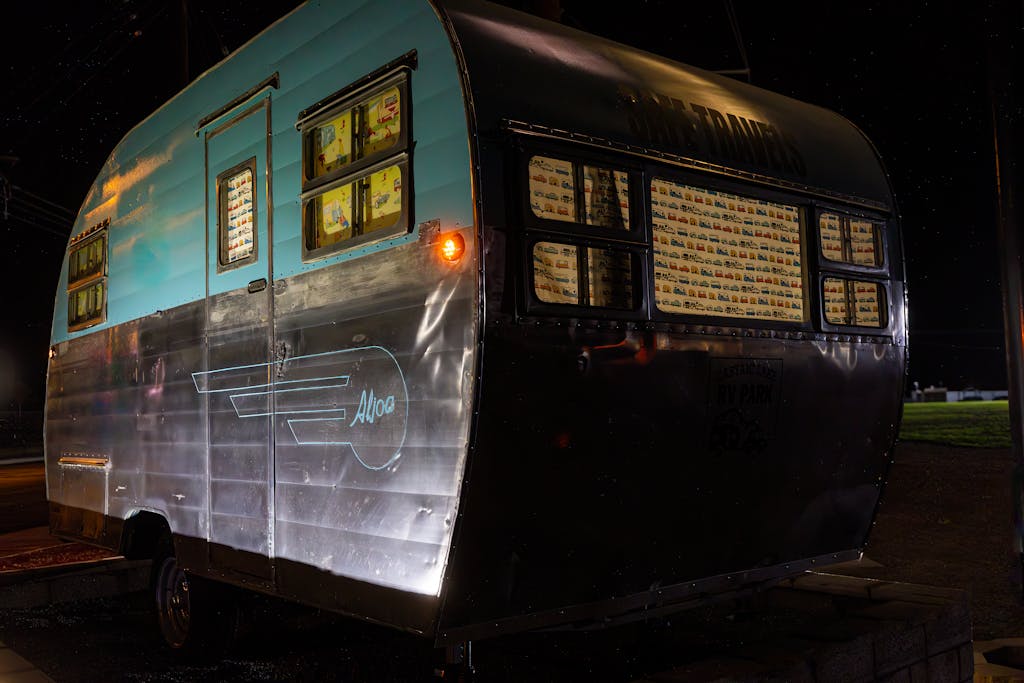
Her son lived on the property too, loosely. He drifted in and out a few times a week, free in the way that some people just are. There was no spare bedroom. There was, however, a trailer parked on the land.
We slept in the trailer. It was September, which in New Zealand means the tail end of winter. We had hot water bottles.
Three Malaysian women, accustomed to showering daily in equatorial heat, now lived on raw vegetables and bathed every three days. Rose saw nothing unusual about this. We said nothing, itched quietly, and got on with it.
The food, though, was genuinely good. Rose had spent years developing recipes — combinations of soaked nuts, shredded vegetables, seeds, dressings made from things I’d never thought to combine. Nothing heated above 40 degrees. Everything dense with flavour in a way that felt almost accidental. After a few days I stopped missing cooked food. My body felt strangely light. We spent our evenings at the kitchen table while Rose talked us through her philosophy, her recovery, her very strong opinions about the medical establishment.
She was also, it turned out, navigating a complicated romantic situation.
The Boyfriend
Rose was seeing someone. He was around her age, a widower she’d met through her social circle, and she spoke about him the way you speak about someone you’re not entirely sure about yet. One afternoon she came home from a date looking distinctly unimpressed, set her bag down on the kitchen counter, and announced that she was ending it.
We looked up from our raw carrot salad.
He was, she explained, extraordinarily self-absorbed. Every conversation circled back to him. He spoke over her. He expected to be admired. She had given it enough time to be certain, and she was certain.
I was twenty-something, had been in exactly one relationship, and had no useful frame of reference for any of this. My friends were equally unqualified. We listened, nodded, and refilled her water glass. Rose didn’t seem to need advice so much as an audience willing to confirm that she was right.
She was, for the record, clearly right.
A few days later, on a morning when we were turning soil in the vegetable beds, a bald man appeared at the gate. Rose introduced him cheerfully as her nephew Nigel and suggested he help us with the digging. He was pleasant and hardworking. He stayed for a few hours. Rose found reasons to check on our progress every twenty minutes or so, watching from a comfortable distance with the expression of someone who considered herself quite clever. Nothing came of it. She never brought it up again, and neither did we.
The Fruit Market
One morning Rose announced we were going to the market. We assumed she meant she needed to buy produce. We were wrong.
She drove us through the neighbourhood, stopping at houses with fruit trees visible over the fence. She knocked on doors. She explained that she’d noticed their lemon tree, their apple tree, their orange tree, and wondered whether they had more than they could use. Most people said yes. Some came outside to help us pick.
By mid-morning, we had four large pallets of fruit in the back of the car. Oranges. Apples. Lemons. Assorted things we were still identifying.
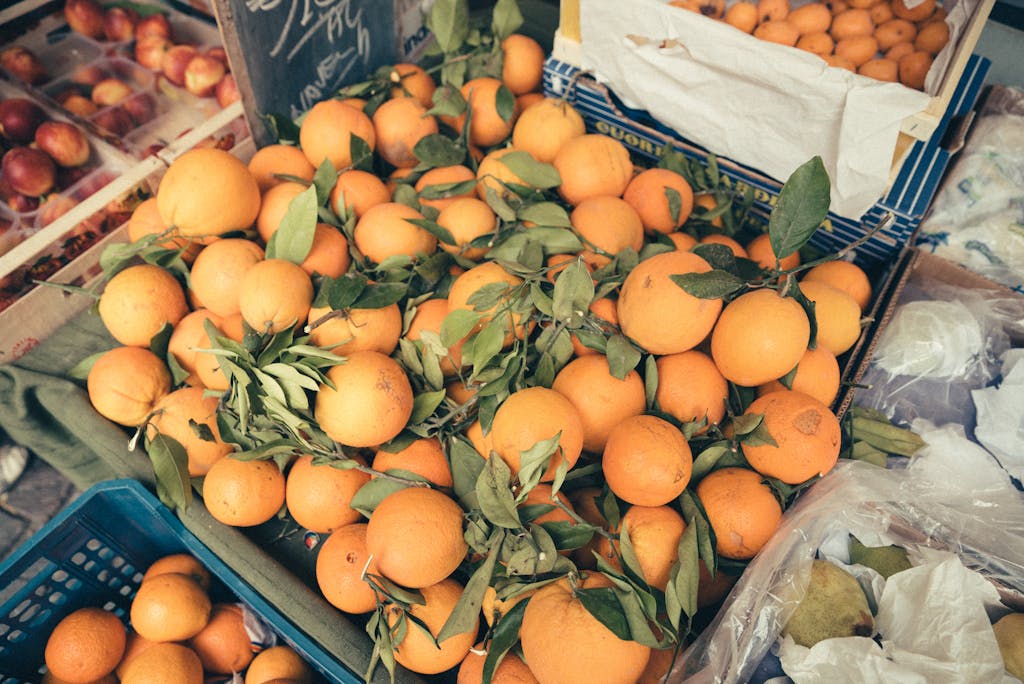
We found a spot at the farmer’s market and set up. Rose called out to people passing by. We handed over paper bags and made change. I had never sold anything from a roadside stall in my life, and I found, to my surprise, that I didn’t hate it.
I didn’t know then that a few weeks later, at the strawberry farm, I’d be doing something similar — from a truck, on the side of a highway, flagging down passing cars. But that’s a story for next time.
What We Left With
We stayed for two weeks. When the strawberry farm called to confirm our start date, we packed the Volkswagen, thanked Rose, and drove back toward Hamilton.
I don’t think about those two weeks often, but when I do, what comes back isn’t the cold nights or the three-day bathing schedule or the raw cauliflower we ate for lunch more times than I’d like to admit. What comes back is Rose at the kitchen table, utterly certain about how she wanted to live – what she’d eat, who she’d spend time with, what she was and wasn’t willing to put up with at eighty-something years old.
At twenty-something, I didn’t quite know what to do with that. I think I understand it better now.