
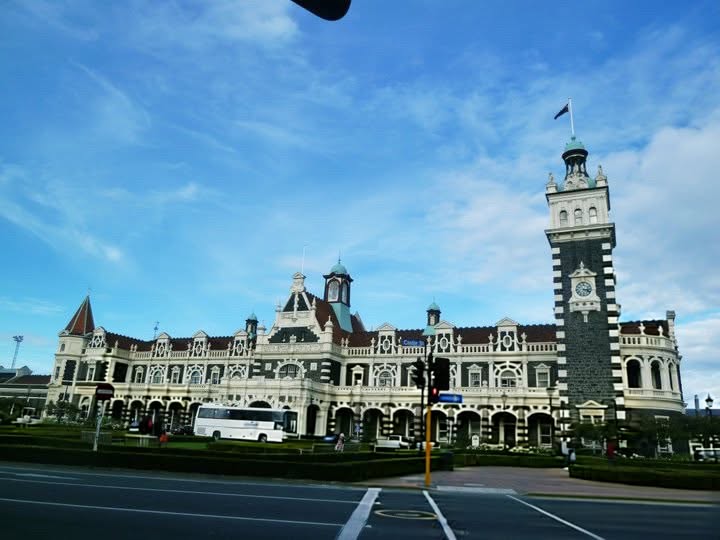
Finally, A City: One Week in Dunedin
The $1 bus from Invercargill to Dunedin was, at the time, something of a backpacker legend. One dollar. The length of a country. You packed a sandwich, found a window seat, and watched the South Island scroll past for hours.
I ate my sandwich somewhere around Balclutha. Watched farmland give way to coast, then coast give way to hills. The person next to me was German, heading north. We talked for twenty minutes and then both fell asleep. Standard bus etiquette.
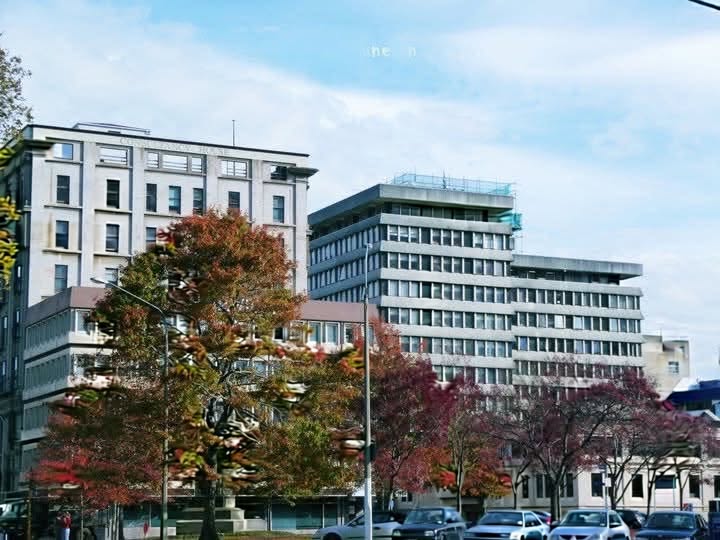
Dunedin announced itself gradually. More buildings. More traffic. More people walking on pavements like they had actual places to be.
After weeks of small towns, it felt almost overwhelming. In a good way.
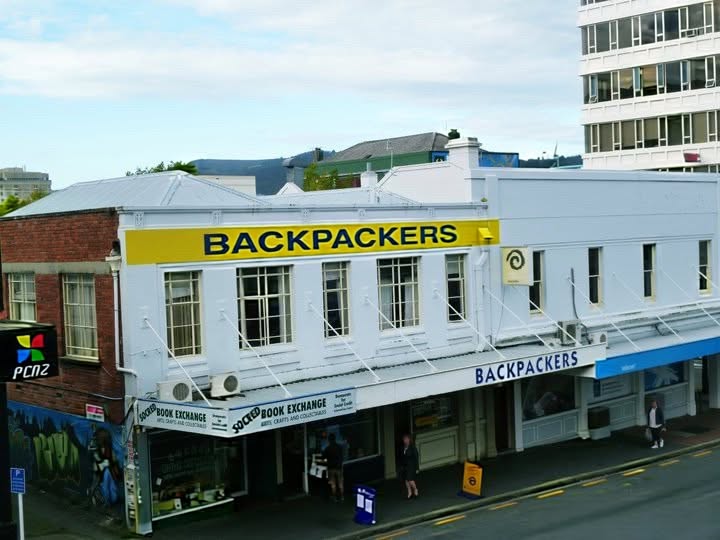
I checked into a backpackers, dropped my bag, and went to find a proper coffee.
Baldwin Street
Everybody goes to Baldwin Street. It’s listed in the Guinness World Records as one of the steepest residential streets in the world, which is really just a polite way of saying someone built houses on what should have been a ski slope.
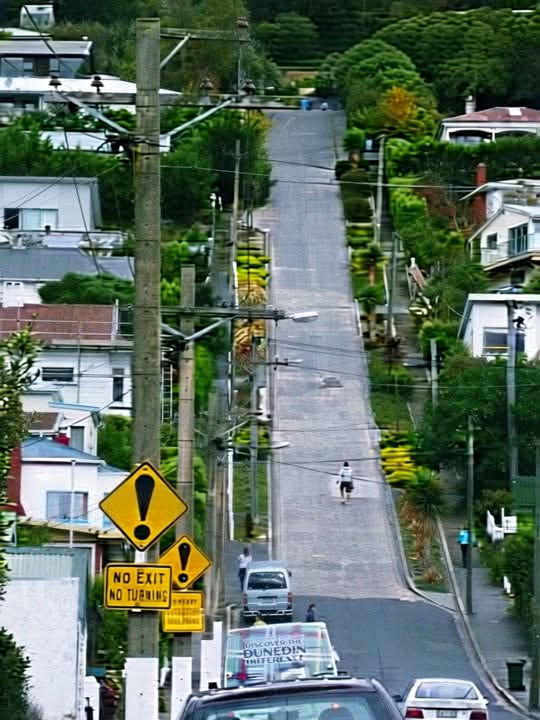
You walk up. That’s the whole activity.
The bottom looks manageable. Steep, sure. But manageable.
By halfway, your calves are having a conversation with you that you did not initiate. Your lungs are filing a complaint. You are leaning forward at an angle that would be alarming on flat ground.
I stopped twice. Pretended to be looking at the view. The view was genuinely good — rows of houses cascading down the hill, the city spread out beyond, harbour glinting in the distance. But mostly I was catching my breath and hoping nobody noticed.
At the top, a group of teenagers were taking turns on a skateboard. Flying down the slope like it was nothing. Like gravity was a suggestion they’d decided not to follow.
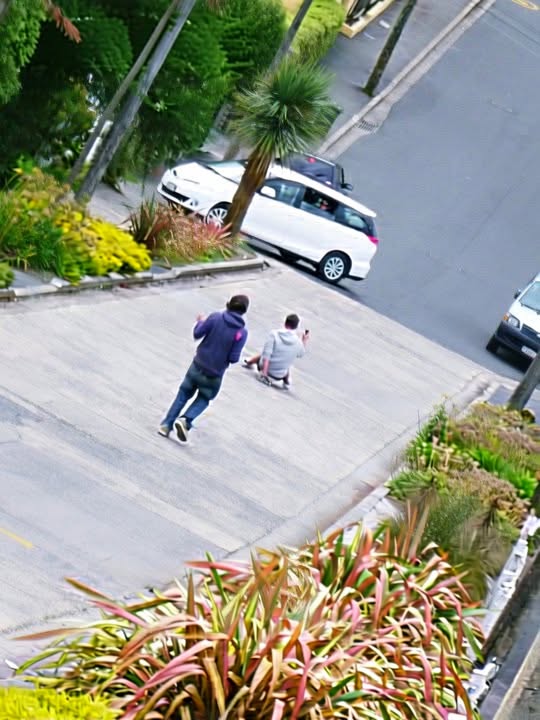
I watched them for a while. Considered my life choices. Walked back down very carefully.
Larnach Castle
Took a bus out to Larnach Castle, the only castle in New Zealand, built in 1871 by William Larnach, a wealthy banker and politician who wanted, apparently, to give his family the grandest home in the country.
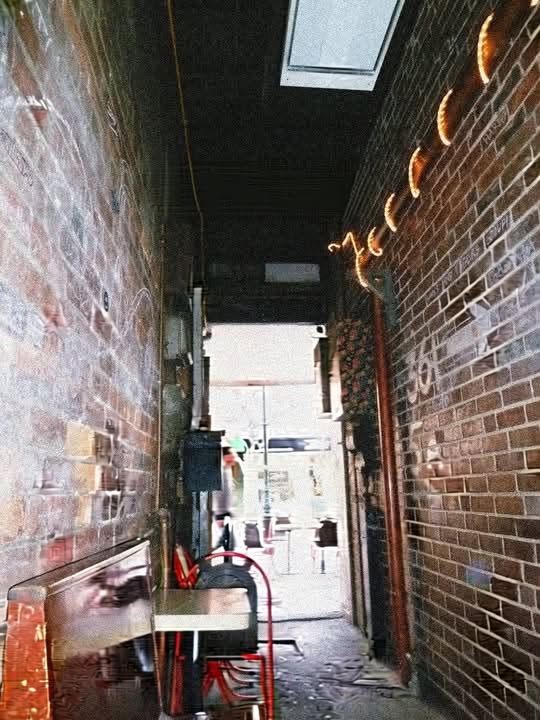
He succeeded. Mostly.
The castle is beautiful. Stone walls, ornate ceilings, a ballroom that still feels like it’s waiting for a party. Rooms full of Victorian furniture — dark wood, heavy drapes, the particular heaviness of objects that have been in one place for a very long time.
But the story underneath the beauty is something else entirely.
William Larnach married three times. His first wife died. His second wife died. His third wife had an affair — with his son from his first marriage. The scandal destroyed what remained of his reputation. In 1898, William Larnach walked into a parliamentary committee room in Wellington and shot himself.
The castle passed through various hands. Fell into disrepair. Was eventually rescued and restored by the Barker family in the 1960s, who still run it today.
Standing in those rooms, reading the family history on the plaques, I kept thinking about the gap between what we build to impress the world and what actually happens inside. The grandest house in New Zealand. The unhappiest story.
The garden, at least, was uncomplicated. Enormous. Beautiful. I walked through it slowly, read the plant labels, let the afternoon stretch out.
The University and the Church
Otago University looks like someone transplanted a piece of Oxford into the bottom of the South Island and surrounded it with rain.
Gothic stone buildings. Ivy on the walls. A clock tower that takes itself very seriously. Students cycling past with backpacks and that particular expression of people who have an essay due tomorrow.
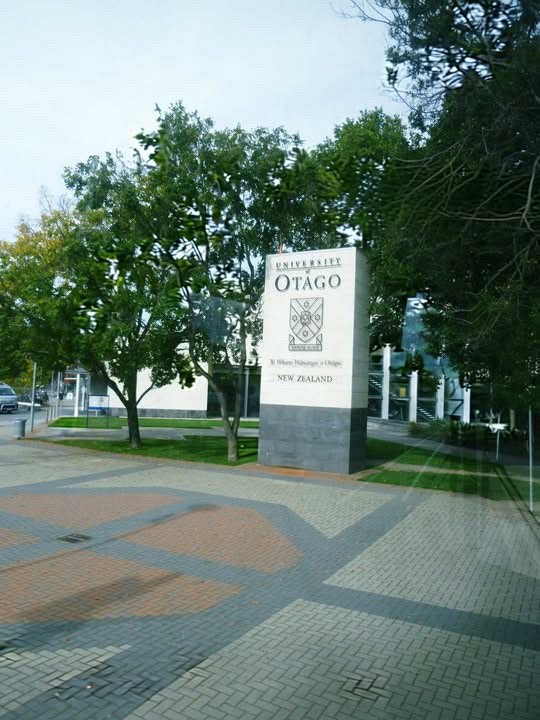
I walked the perimeter. Peeked into courtyards. Felt something nostalgic for university days — the specific freedom of being in a place designed entirely around ideas, where being confused is considered a starting point rather than a failure.
Didn’t go inside any of the buildings. Didn’t need to. The outside was enough.
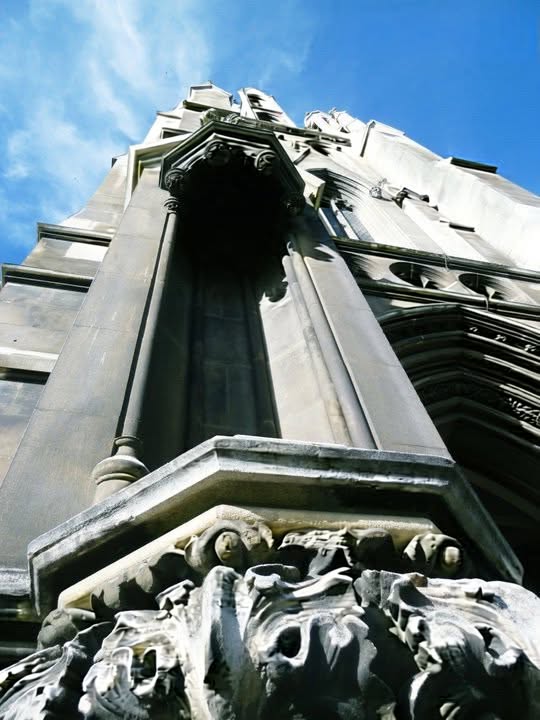
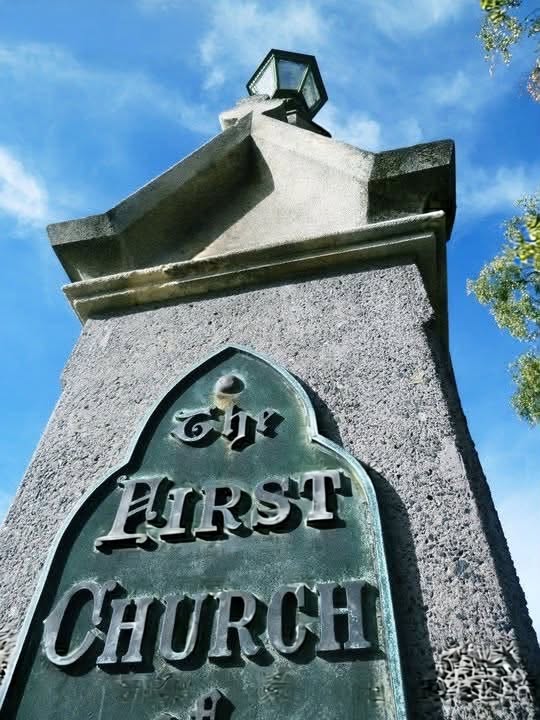
First Church of Otago was around the corner. Gothic Revival, built in 1873. The kind of church that makes you tilt your head back as soon as you walk in, just to take in the height of it.
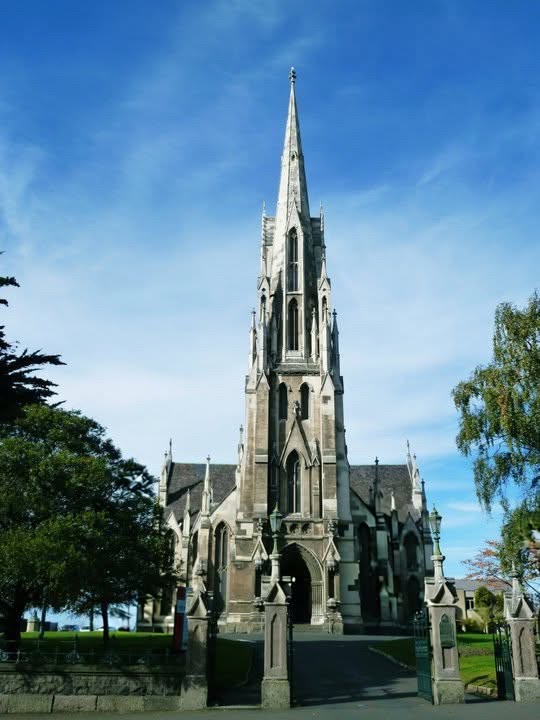
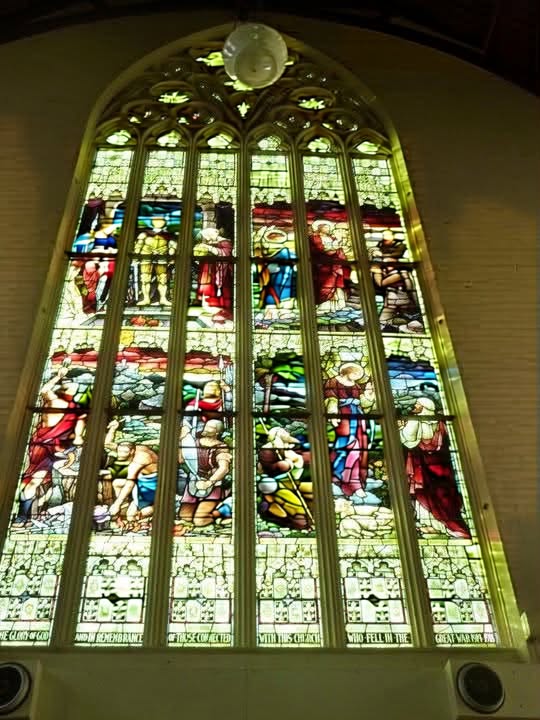
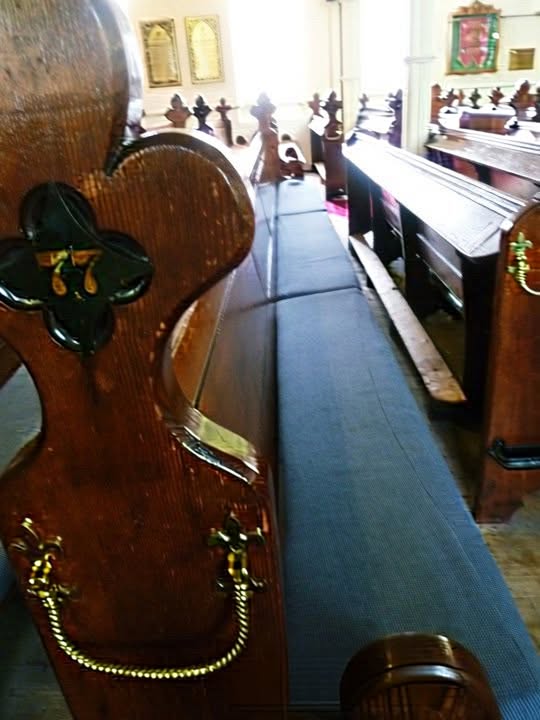
Stained glass windows throwing colour across stone floors. A pipe organ that looked like it meant business. Pews worn smooth by a hundred and fifty years of Sunday mornings.
I sat for a while. Not praying exactly. Just being quiet in a space that seemed built for exactly that. Sometimes old churches are the most efficient places in a city to think.
Cadbury and the Buying Begins
The Cadbury factory was, at the time, a proper tourist attraction. You went in. You learned things about chocolate. You were given samples. The entire experience smelled extraordinary.
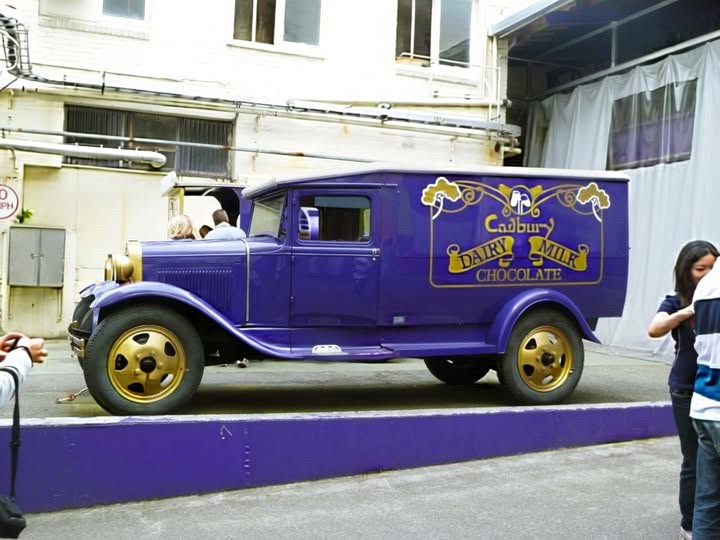
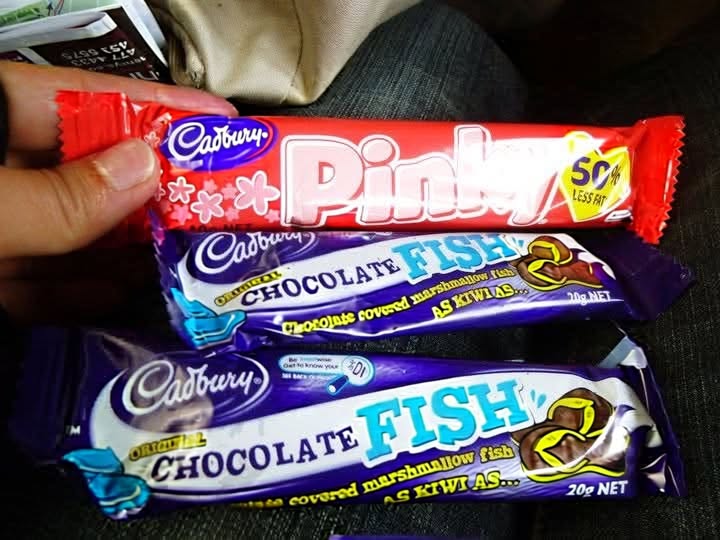
New Zealand Cadbury had flavours you couldn’t get elsewhere. Pineapple lumps built into chocolate bars. Marshmallow fish. Things that sounded wrong but tasted precisely right.
I bought more than I needed. Significantly more.
This was also when I started buying everything else — souvenirs, postcards, little bottles of Manuka honey, a pounamu pendant, a tea towel with a kiwi on it. Things I’d been walking past for months and always thinking, I’ll get that later.
Later had arrived.
My visa had less than a month left. Australia was next. At some point between the Cadbury samples and the third round of souvenir shopping, I accepted that this particular chapter was closing.
Not with a dramatic moment. Just with a full backpack and a slight ache that I couldn’t quite locate.
What a City Feels Like After Months Without One
Dunedin had restaurants that stayed open past 8pm. It had bookshops. It had people walking quickly, which felt exotic after weeks of towns where nobody was in a hurry about anything.
I ate at an actual sit-down restaurant one evening. Ordered something that wasn’t toast or hostel pasta. Felt vaguely civilised.
In the backpackers common room, I met the usual assortment — German couple doing a full South Island loop, a Japanese solo traveller who’d been in New Zealand for three months, two Taiwanese girls finishing their WHV, a Korean guy heading to Queenstown next.
We sat around talking about where we’d been, where we were going, the things we wished we’d known at the start. The particular shorthand of people at the same stage of the same kind of journey.
I mentioned I was off to Australia next. Someone said it was completely different. Someone else said it was better. Someone else said they weren’t ready to leave New Zealand at all.
I understood all three positions.
The Leaving
Caught the bus out of Dunedin with a bag heavier than it had been in months. Chocolate. Souvenirs. Things to take home or post ahead or give away when I eventually got somewhere that counted as home.
No anxiety about what was next. Some excitement. And underneath both of those, the particular feeling that comes at the end of something long — not regret exactly, but a kind of tenderness.
New Zealand had given me a lot. Work, obviously. Money, barely enough. But also: seal colonies and Pancake Rocks and leftover hotel yoghurt and a hostel full of iguanas and two weeks at the edge of the world listening to wind.
I’d come back in 2018, when I finally admitted there was too much left undone. Brought family that time. Showed them what I’d been trying to explain for seven years.
But that’s a different story.
This one ends on a bus, heading north, watching the South Island do what it always did — be quietly, impossibly beautiful all the way to the horizon.
Some places you visit. Some places visit you back. Dunedin was the city that handed me a chocolate bar, showed me a ruined man’s perfect house, and quietly told me it was time to go. I wasn’t ready. But I went anyway. That’s usually how the right moments work.