
Two Weeks Alone at the Bottom of the World
Left Te Anau in April 2011 with no particular plan. Work visa had less than a month left. Should’ve been panicking. Should’ve been rushing to see everything I hadn’t seen yet.
Wasn’t.
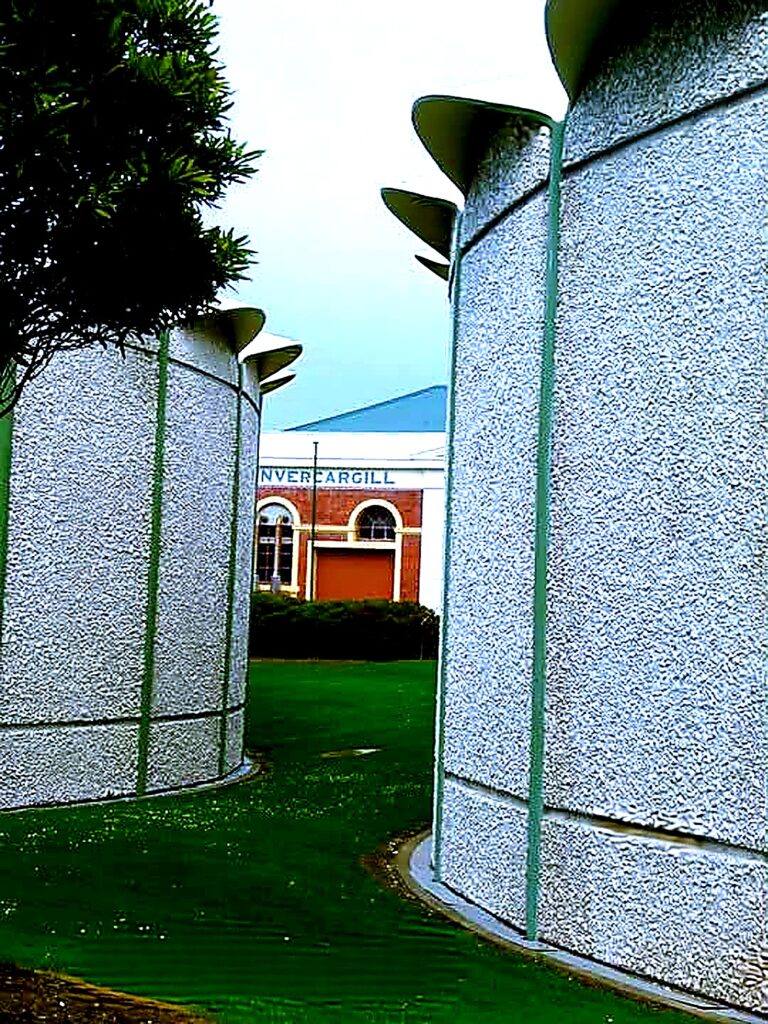
Caught a bus to Invercargill instead. Sat by the window. Watched farmland roll past for hours. Sheep grazing on hills so green they looked painted. Cows standing perfectly still like they had nowhere better to be. Fields that went on forever under a sky so big it made everything else feel small.
Got off at the bus station. Found a YHA. Booked a bed for a few nights. Dumped my bag. Went for a walk to see what this town was about.
Ended up staying two weeks. Then headed to Dunedin. Finally, a proper city.
Not because Invercargill was boring. It had its own quiet charm. Flat. Peaceful. Built on a grid so perfect you couldn’t get lost if you tried. Wide streets, low buildings, everything neat and organised. The kind of place people pass through on their way to somewhere flashier.
I stayed because I could. Because my visa was running out and I’d spent months rushing from job to job, town to town, ticking boxes. Slowing down felt like rebellion. Nobody was waiting for me anywhere else. No deadline except the one stamped in my passport.
Bluff: The End of Everything
Took a day trip to Bluff. Southernmost town in New Zealand. End of the line. As far south as you can go without getting on a boat to Antarctica.
The bus ride down was beautiful. Coastline on one side, farmland on the other. Driver pointed out landmarks like he was giving a tour to old friends. “That’s where the best fish and chips are.” “See that hill? Climbed it once. Never again.”
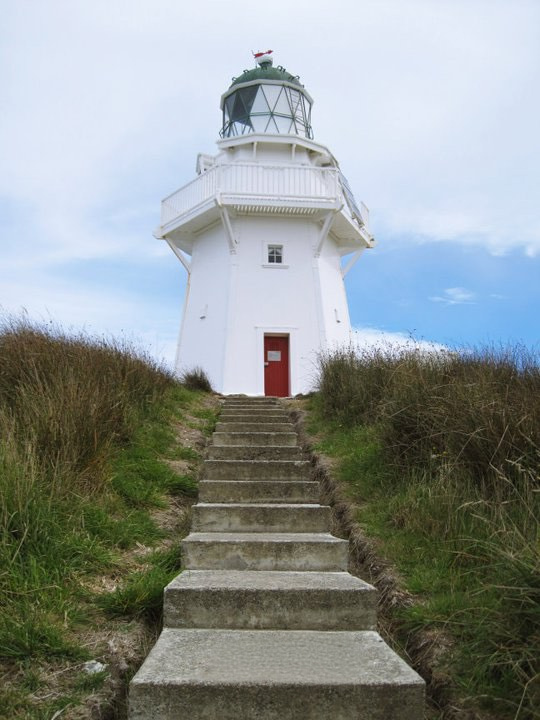
Went to Stirling Point first. The signpost everyone photographs. Big wooden arrows pointing in different directions with distances that make your head spin. 4,810 km to the South Pole. 15,008 km to London. 18,958 km to New York.
Stood there trying to wrap my head around those numbers. How far I’d come from Malaysia. How far everything was from everything else.
Wind coming straight off the ocean. Uninterrupted by anything except water for thousands of kilometres. Cold enough to sting your face. Sharp enough to make your eyes water even when you weren’t crying.
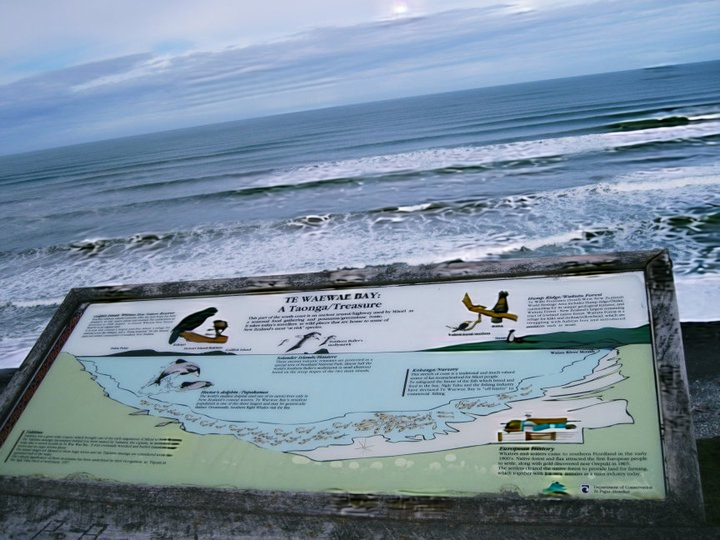
But exhilarating. The kind of wind that makes you feel alive. Makes you want to lean into it and see how far you can bend before falling over.
Nothing dramatic happened. No moment of profound clarity. No life-changing epiphany.
Just me, standing at the edge of the South Island, looking out at grey water meeting grey sky. Wind so loud it drowned out thought. Salt spray on my lips.
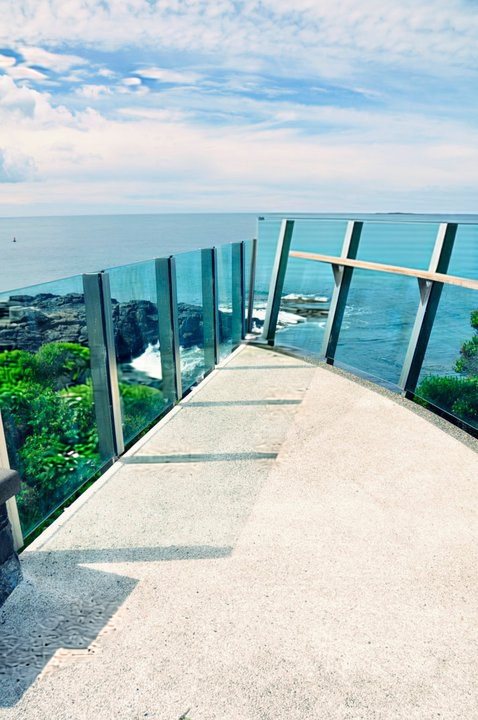
And it felt good. Felt right. Felt like I’d made it somewhere that mattered, even if I couldn’t explain why.
Bought Bluff oysters from a roadside stall afterward. Had to. When you’re at the southern tip of the country and the local specialty is sitting right there in front of you, not trying them feels wrong.
The woman serving them had hands that moved with the confidence of someone who’d been shucking oysters for decades. Quick. Efficient. Barely looked down as she worked. Cracked them open, checked them, handed them over on a paper plate.
“First time?” she asked.
“First time in Bluff,” I said.
She grinned. “You’ll never taste better.”
Locals swear by Bluff oysters. Best in New Zealand. Maybe the world. Sweet. Creamy. Something about the cold southern waters.
I’m not an oyster person. Never have been. The texture gets me. That slippery, briny thing happening in your mouth.
But I ate them anyway. Tipped my head back. Let them slide down. Tried to appreciate what everyone else seemed to love about them.
They were fine. Fresh, definitely. Cold. Tasted like the sea in the best possible way.
Still didn’t convert me. But I was glad I tried.
Wandered the town after. Small. Weathered. Houses with peeling paint. Churches that looked like they’d been standing since the 1800s, fighting wind and salt air the whole time. Streets that felt empty even when they had people on them.
Found myself at the Fossil Forest eventually. Ancient tree stumps turned to stone over millions of years. Just sitting there on the beach like it was nothing. 180 million years old. Jurassic period. From when New Zealand was still attached to Gondwana.
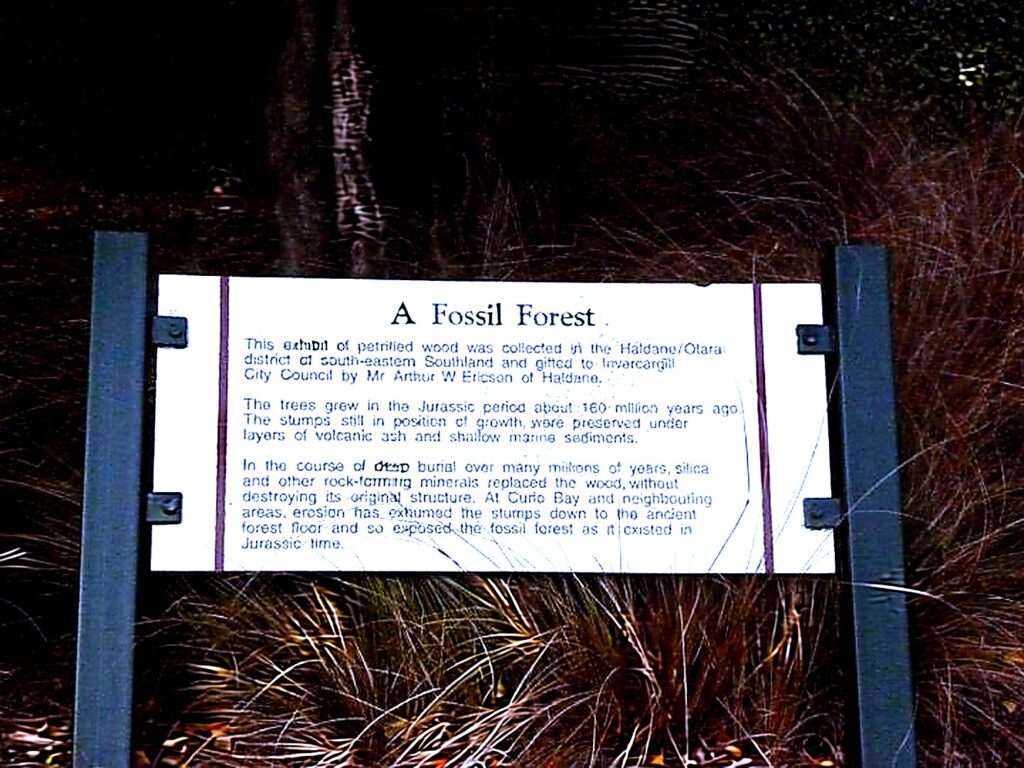
Touched one. Cold. Solid. Surface rough under my fingers. Older than anything I could properly comprehend.
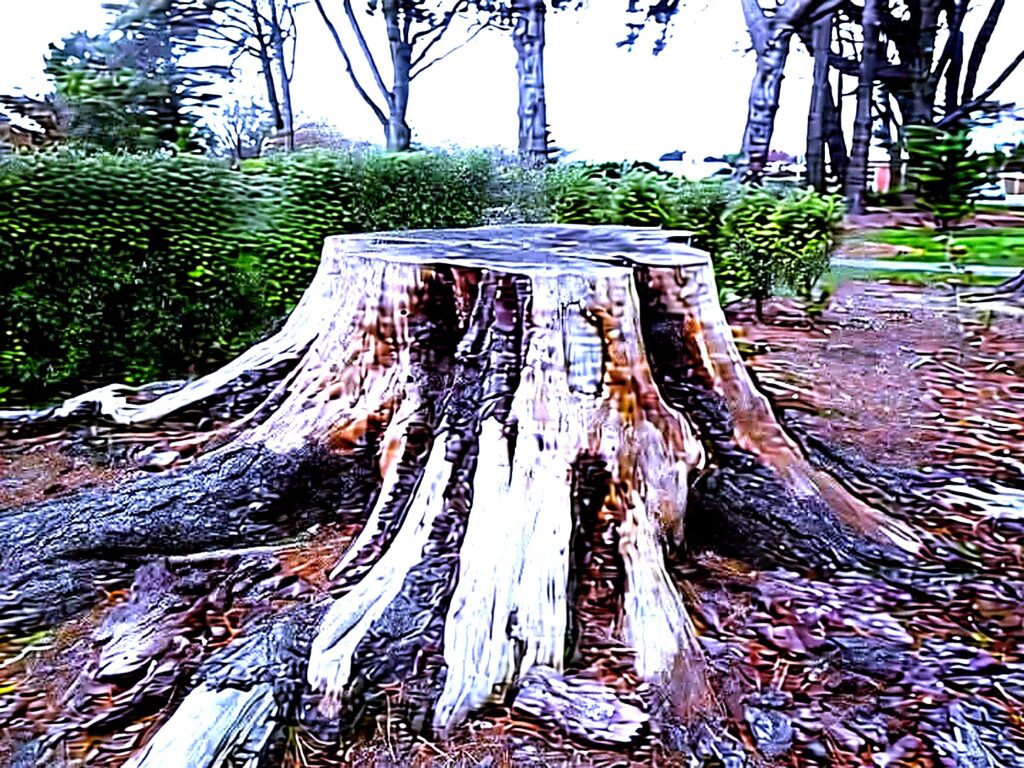
Made me feel small. Not in a bad way. In the way that reminds you your problems aren’t as permanent as you think they are.
The Iguana Problem
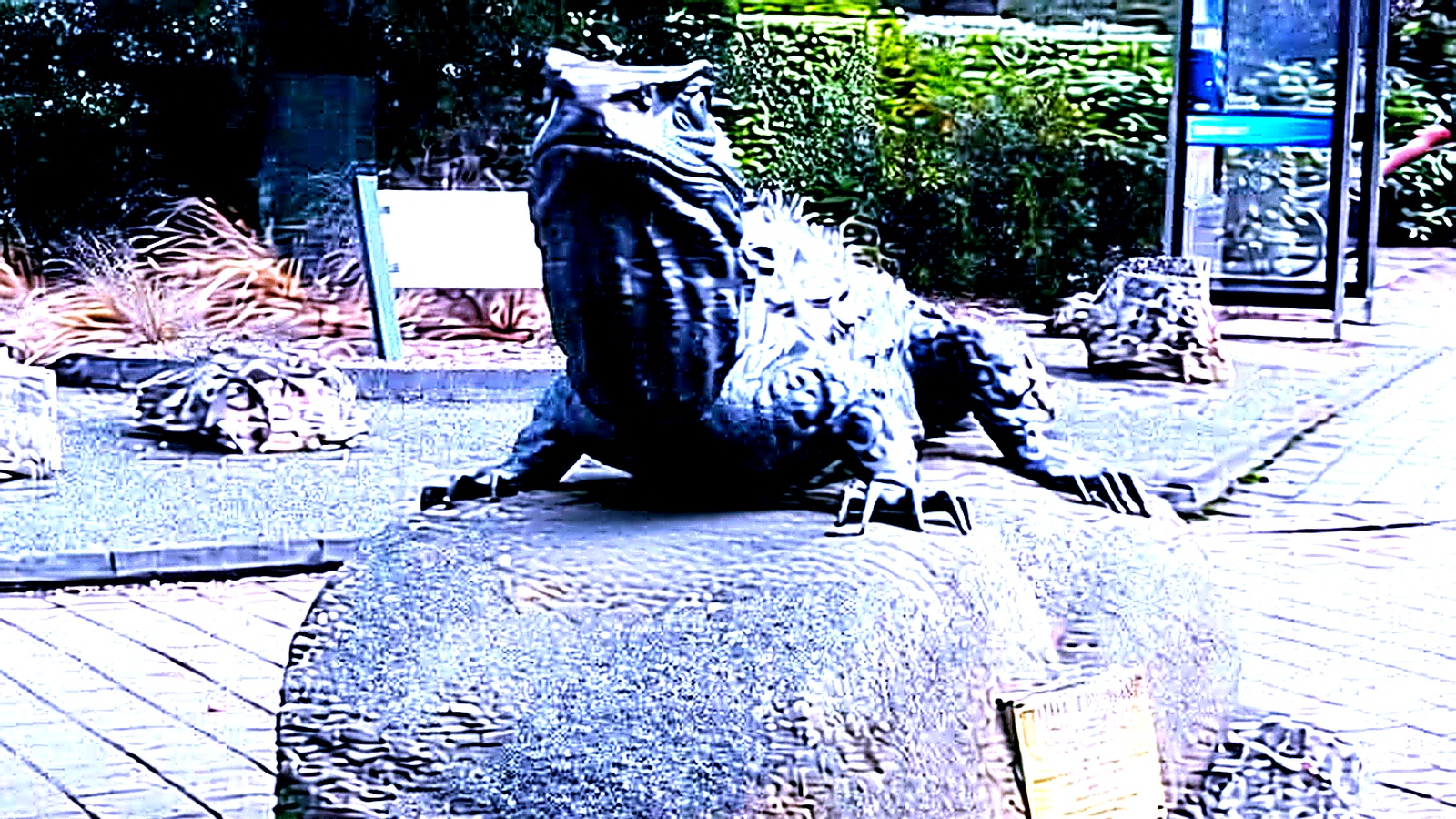
The hostel had iguanas everywhere. Not real ones. Models. Decorations. Little plastic iguanas on shelves, big wooden ones on walls, paintings of iguanas in the common room.
Even the dorm had them.
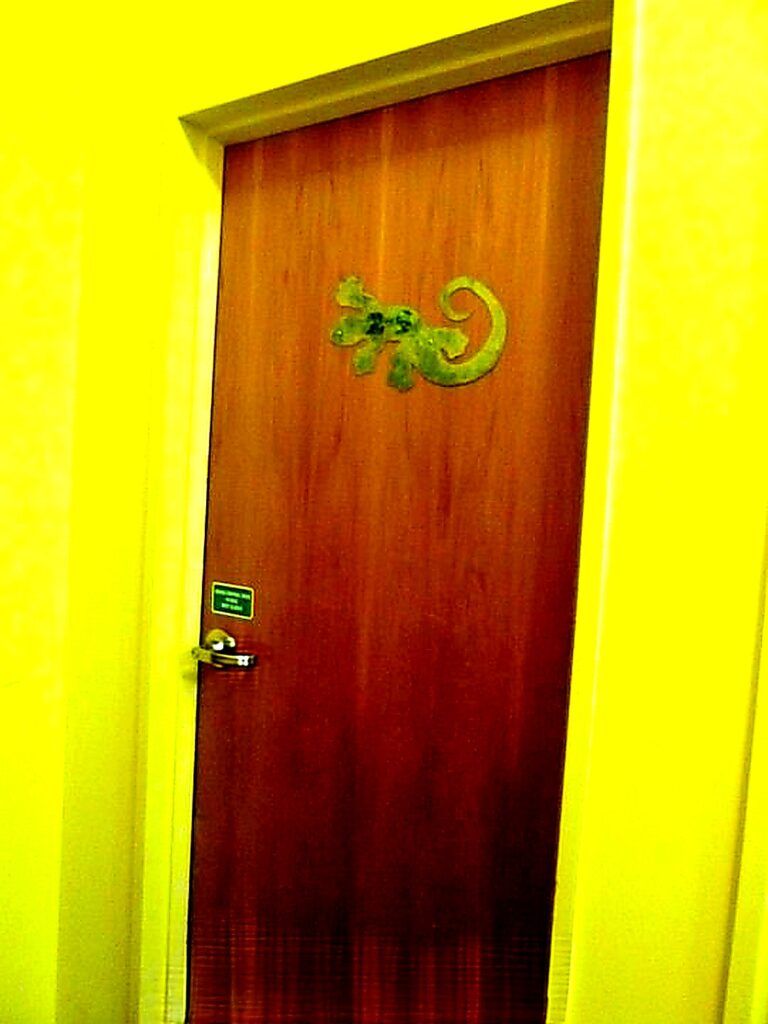
I hate lizards. Always have. Geckos, iguanas, doesn’t matter. Something about the way they move.
Spent two weeks sleeping in a room decorated with the one thing that creeps me out most.
Managed. Barely.
What Invercargill Gave Me
Walked everywhere. No schedule. No one waiting.
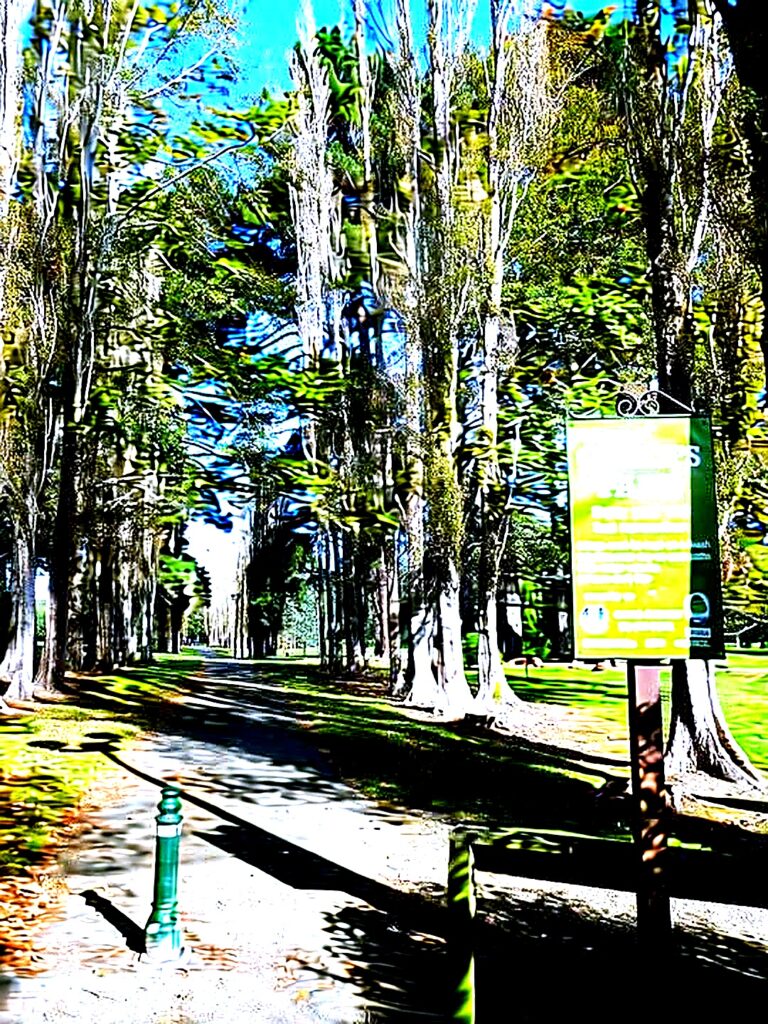
Queens Park. Massive old trees. The kind with trunks so thick three people couldn’t link arms around them. Sat under one for an hour. Just breathing.
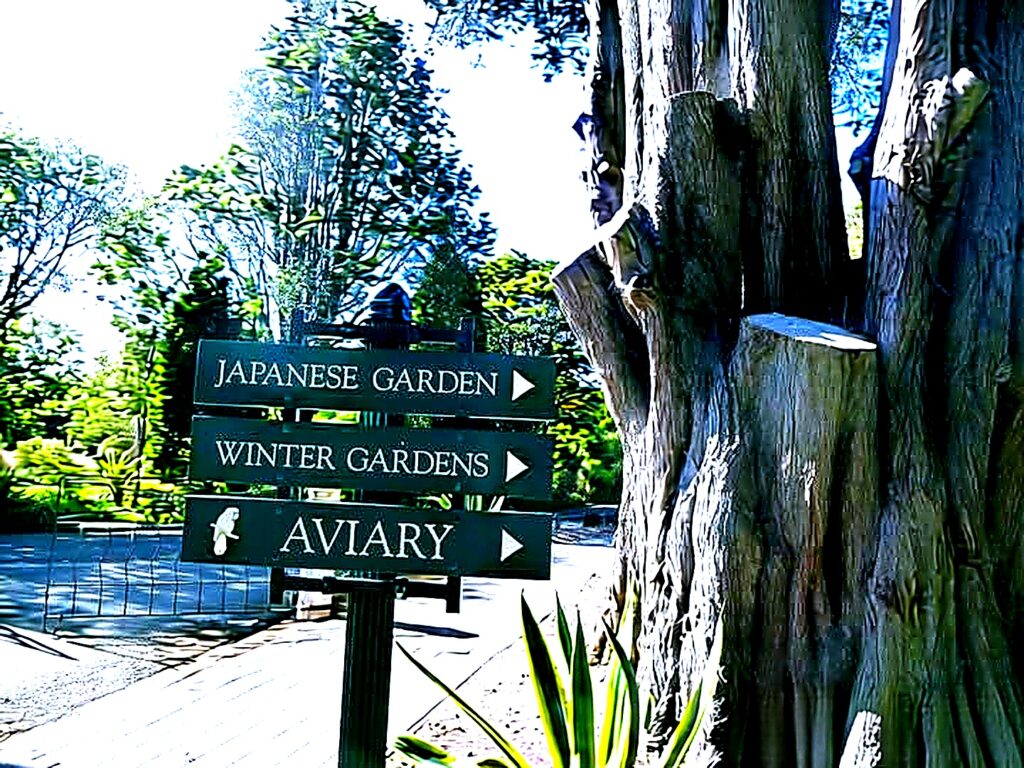
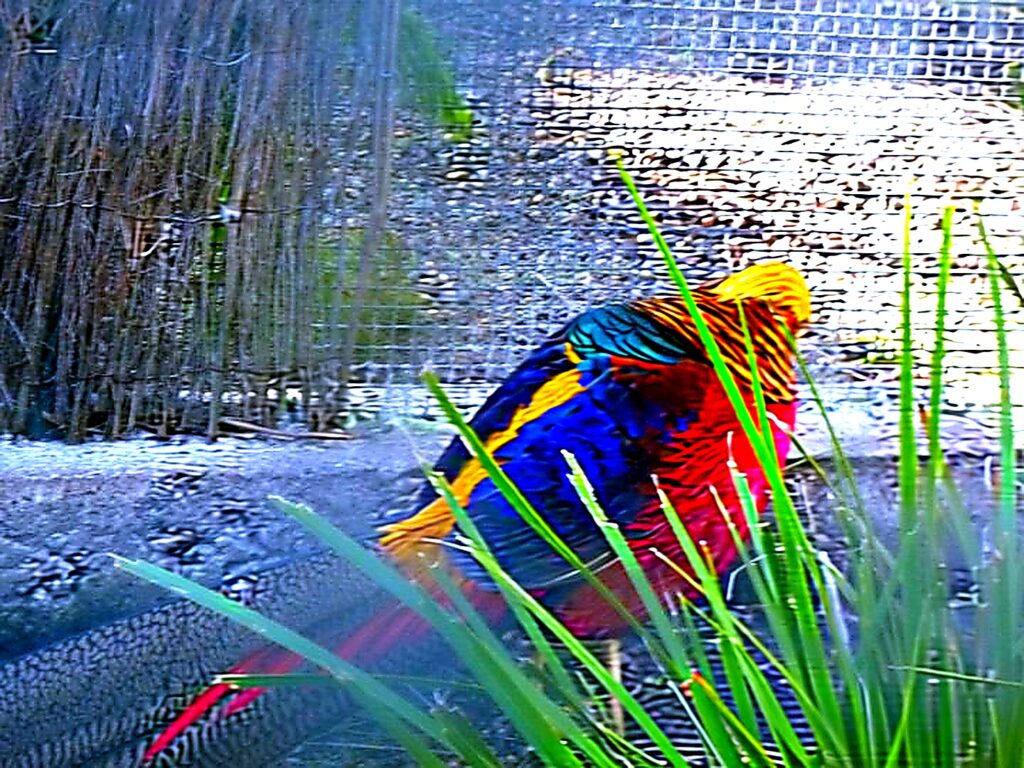
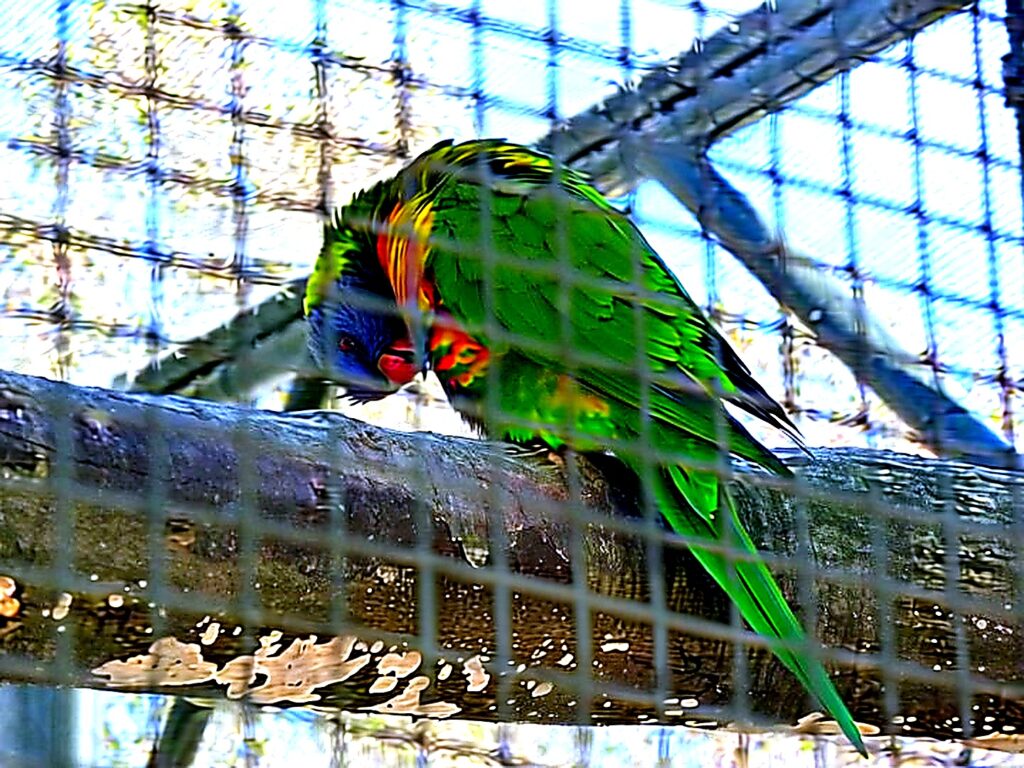
Went to the aviaries. Parakeets. King parrots. Bright colours against grey sky.
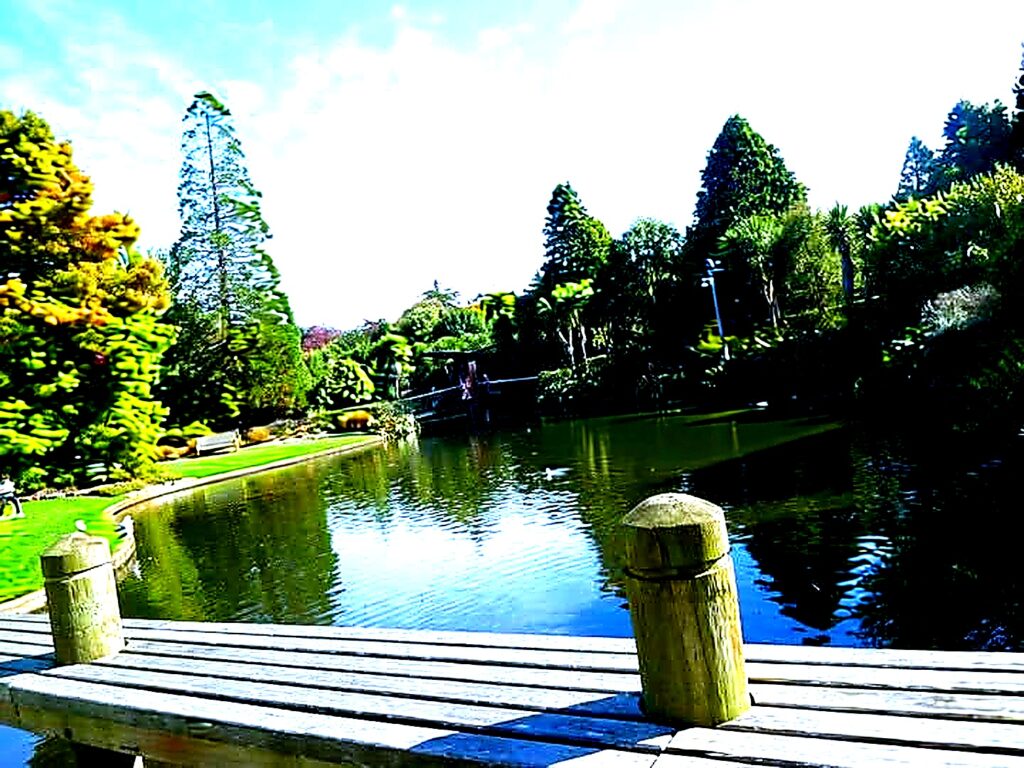
Found a small stream running through Otautau Park. Sat on the bank. Watched the water. Listened to it.
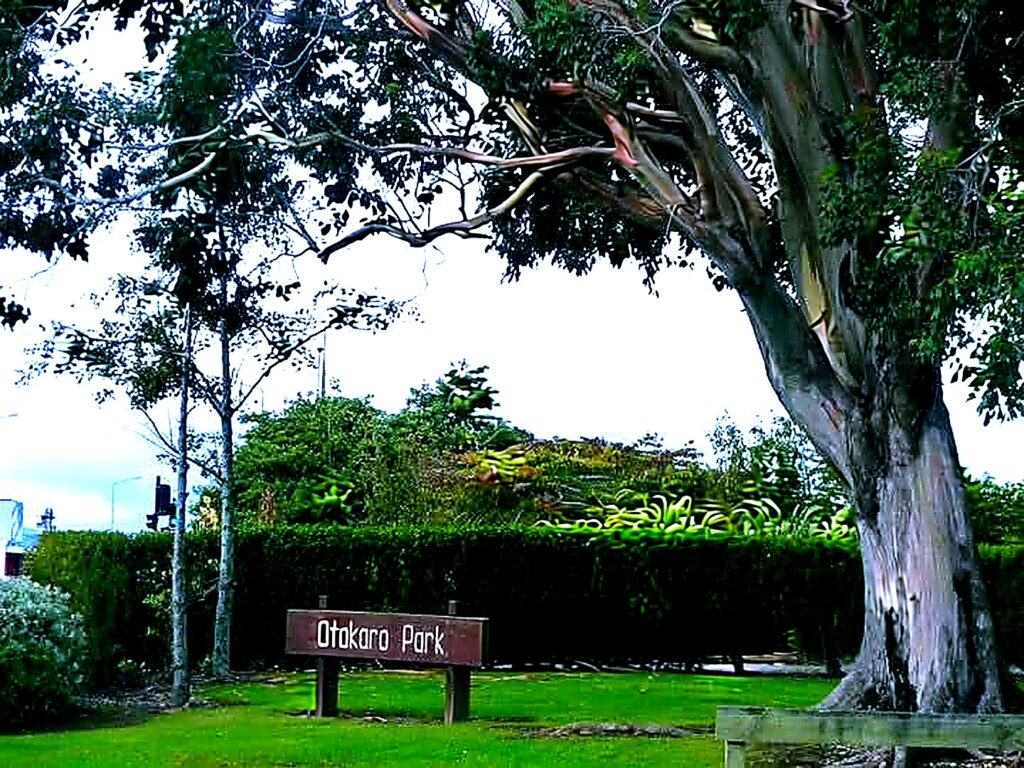
Nobody rushed me.
Southland Museum had red-eared slider turtles. Tuatara. Fossils. Spent an afternoon reading plaques, looking at displays, moving slow.
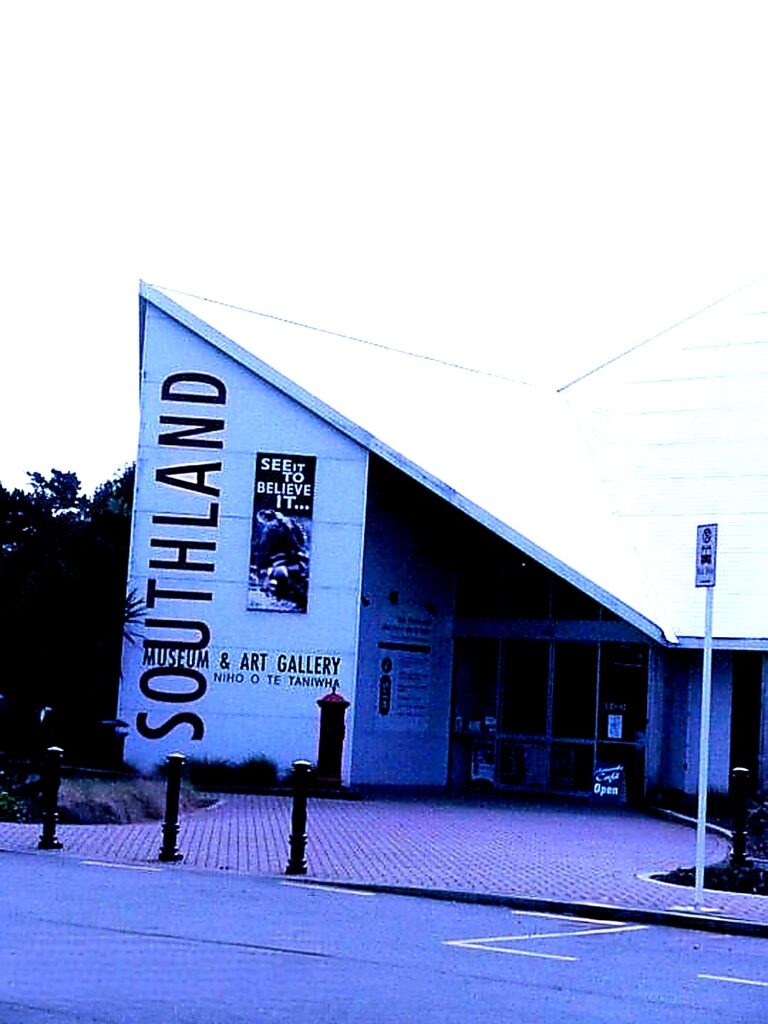
The art gallery was quiet. Almost empty. Wandered through rooms. Stopped when something caught my eye. Moved on when it didn’t.
One afternoon, saw something strange. Two massive trucks parked on opposite sides of the street. Two teams of people standing behind them. Thick ropes attached to each truck.
Competition. Which team could pull their truck to the finish line first. Human power versus tonnes of steel.
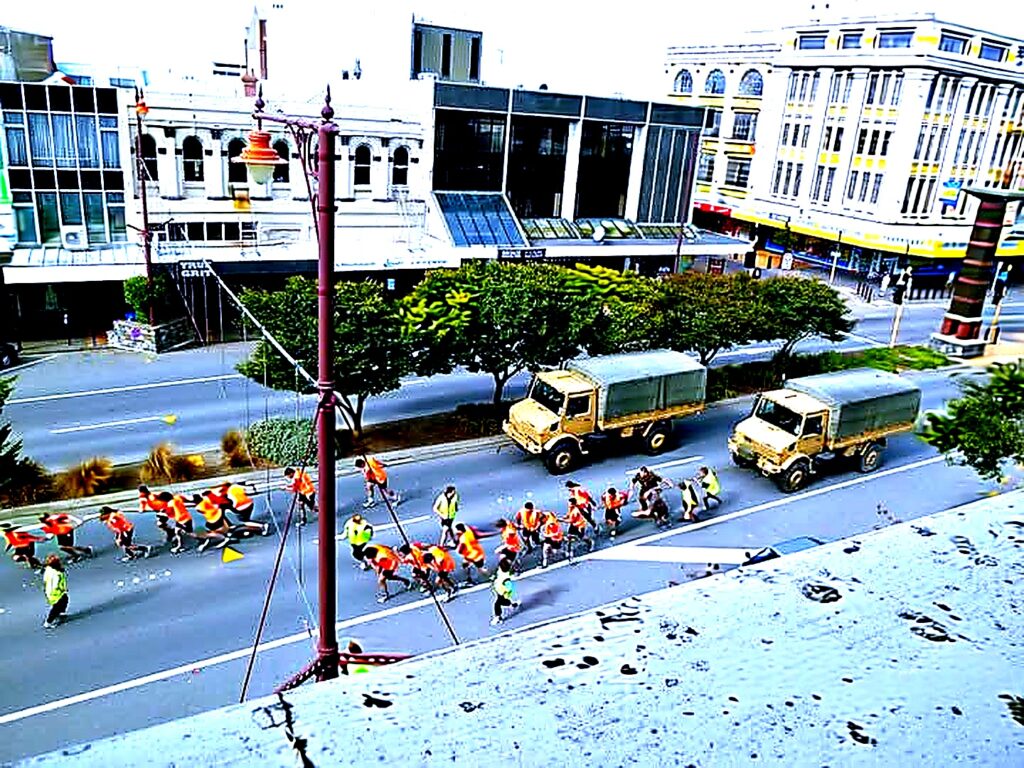
Whistle blew. Both teams started pulling. Digging in. Straining. Shouting. Faces red. Bodies leaning back against the weight.
The trucks moved. Slowly. Inches at a time. Crowd cheering. Teams grunting.
Stayed until one team crossed the line. Watched them collapse on the pavement afterward. Exhausted. Triumphant.
No idea what event it was. Some local competition maybe. Didn’t matter. It was brilliant.
The Rain
Different day. Walking through town. Sky grey. Threatening.
Then it came. Hard. Fifteen-minute downpour that sent everyone running for cover.
I ducked under an awning. Watched people scatter. Shops emptying onto the pavement. Umbrellas popping open. Some people just running, getting soaked.
Nobody else stayed under that awning. Just me.
Listened to the rain on the roof. Watched it pool in the street, running in rivers down the gutters. Smelt wet pavement, that clean sharp smell after the first few minutes of rain.
No anxiety. No impatience. No need to be anywhere else.
Just rain. Just standing there. Breathing.
When it stopped, I kept walking. Shoes squelching. Hair dripping. Didn’t care.
Being Alone Without Being Lonely
Two weeks. Solo. No one to talk to except hostel staff and strangers at bus stops.
Some people would’ve been bored. Maybe lonely.
I wasn’t.
Spent hours in the Ron Pattie plant conservatory. Tropical plants growing in glass houses in the middle of cold Invercargill. Walking in felt like stepping into another climate. Warm. Humid. Air thick with moisture. Leaves so green they looked fake.
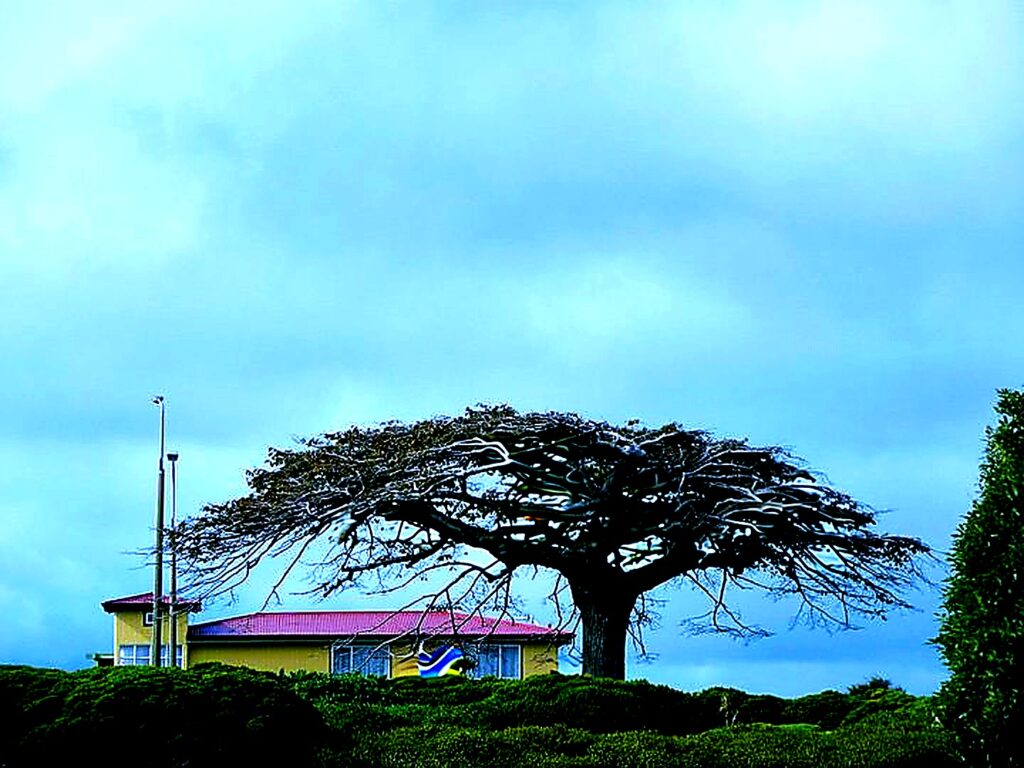
Found a bench. Sat there surrounded by ferns and palms. Closed my eyes. Listened to water dripping somewhere. Felt the warmth on my skin.
Nobody rushed me. Nobody asked what I was doing there.
Walked old train tracks that didn’t go anywhere anymore. Rails rusted. Overgrown with weeds. Wooden sleepers rotting. Used to carry something somewhere. Now just forgotten infrastructure slowly being reclaimed by grass.
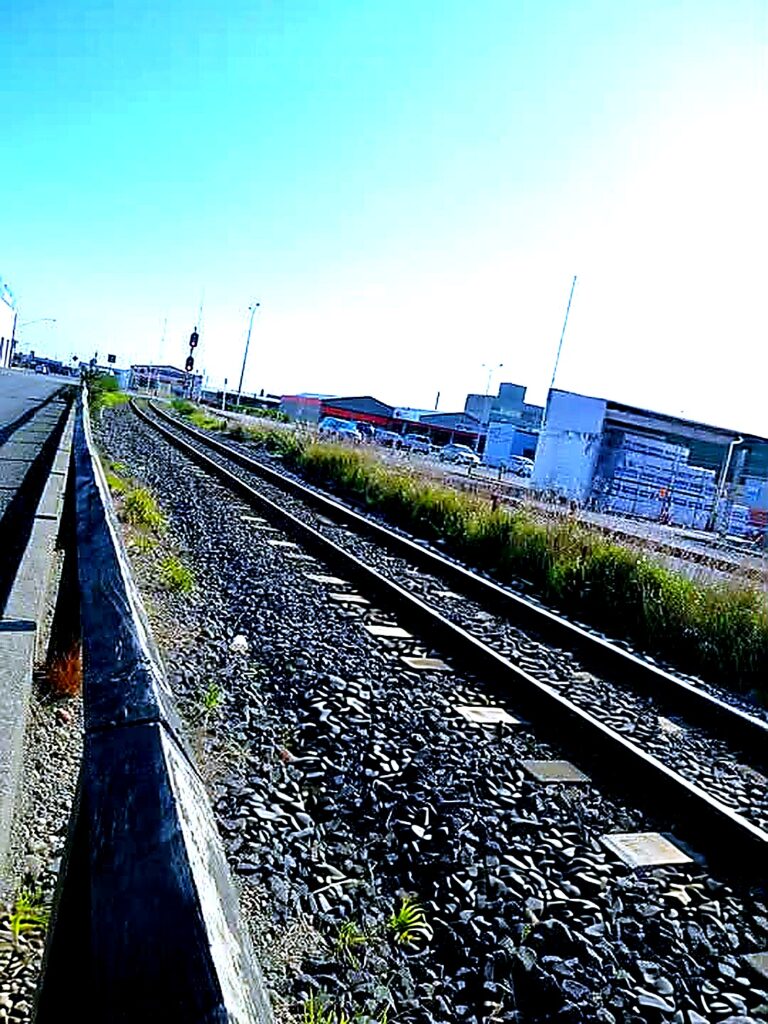
Followed them as far as they went. Turned back when they disappeared into private property.
Went to E.scape Glass Studio. Watched glassblowers work through the window. The way molten glass moved like honey. The precision needed to shape it before it cooled. The concentration on their faces.
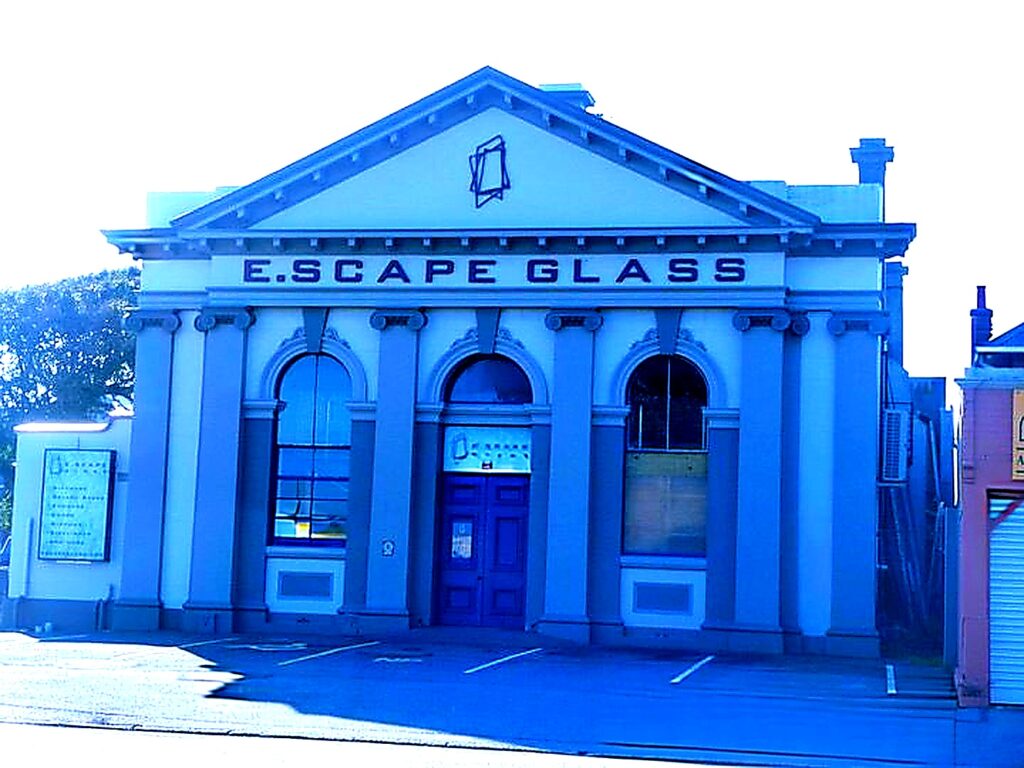
Didn’t buy anything. Just watched.
Went to the basilica one afternoon. Not because I needed to pray. I’m Christian, but this wasn’t about that. Just wanted the quiet. The way sound behaves differently in high-ceilinged spaces. The particular quality of light coming through stained glass.
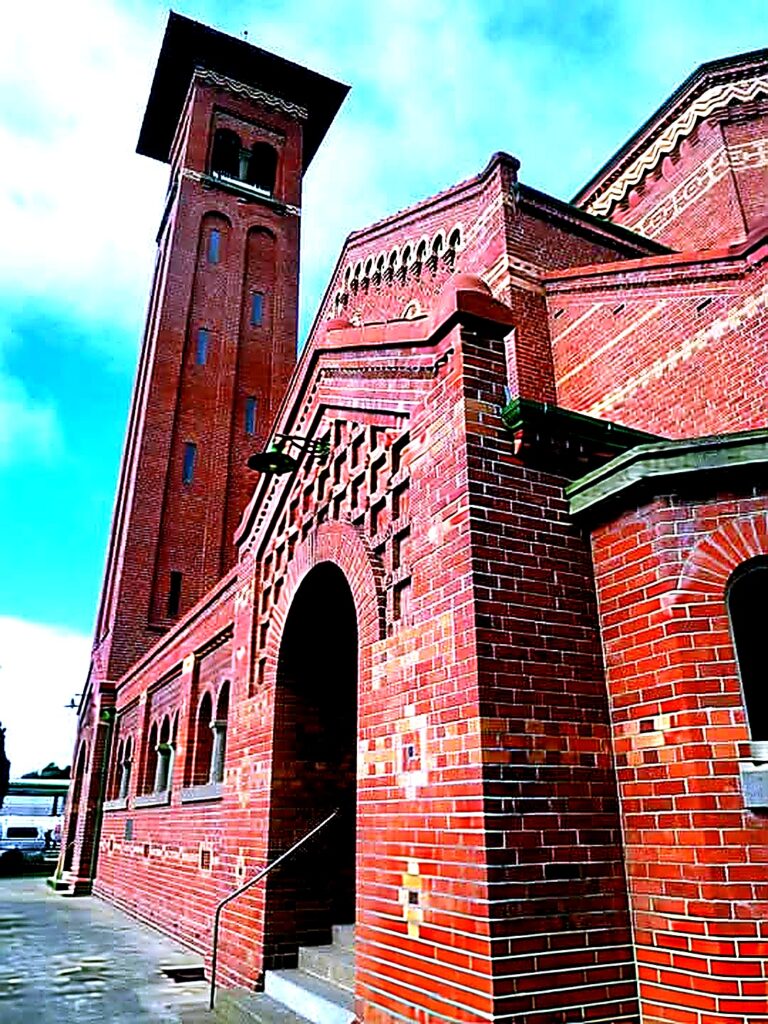
Sat in a pew for twenty minutes. Nobody asked why I was there. Nobody asked where I was going next.
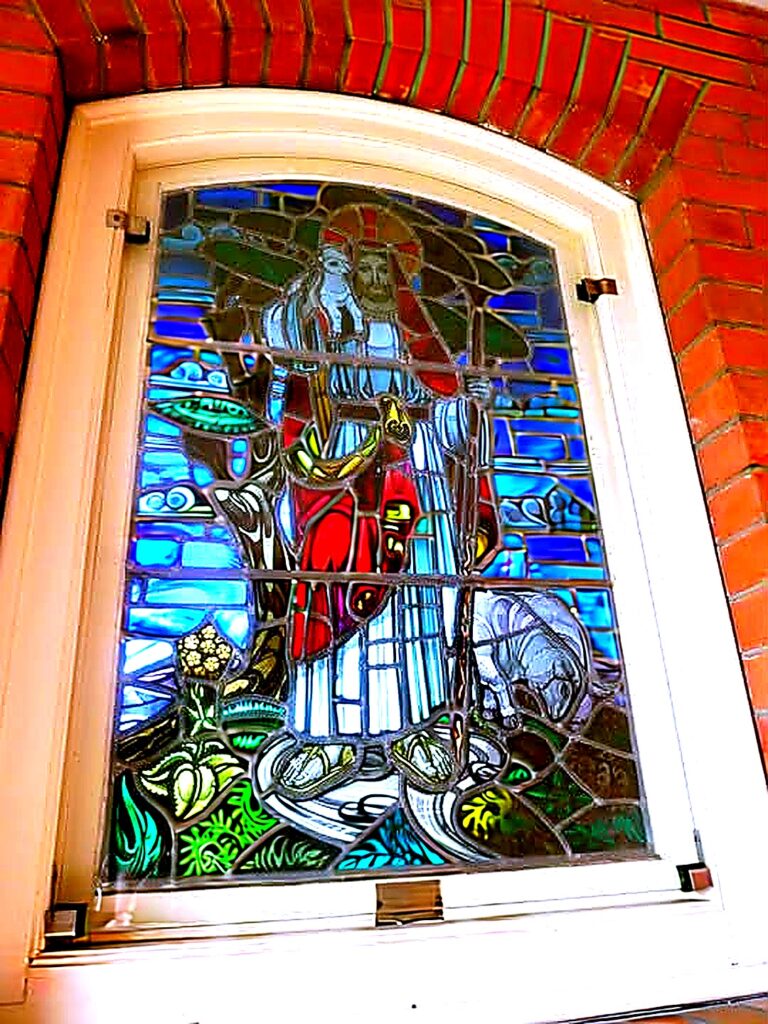
I liked that. The permission to just exist somewhere without explanation.
What Happens When You Slow Down
Travelling fast, you collect places. Tick boxes. Take photos. Move on.
Travelling slow, you notice things.
The way wind sounds different depending on what it’s blowing through. Trees versus buildings versus open fields.
The weight of air after rain. Heavier. Cleaner.
How your body feels when you’re not rushing. Lighter. Like every cell has room to breathe.
I walked everywhere in Invercargill. No plan. No map half the time. Just picked a direction and went.
Found parks I didn’t know existed. Churches tucked behind main streets. Small gardens nobody maintained anymore but flowers still grew.
Saw birds I’d never noticed before. Heard them properly.
Felt my shoulders drop. Didn’t realize they’d been tense.
Why I Left
Two weeks in one place when you’re supposed to be travelling feels indulgent. Wasteful even.
People kept asking, “What did you do in Invercargill for two weeks?”
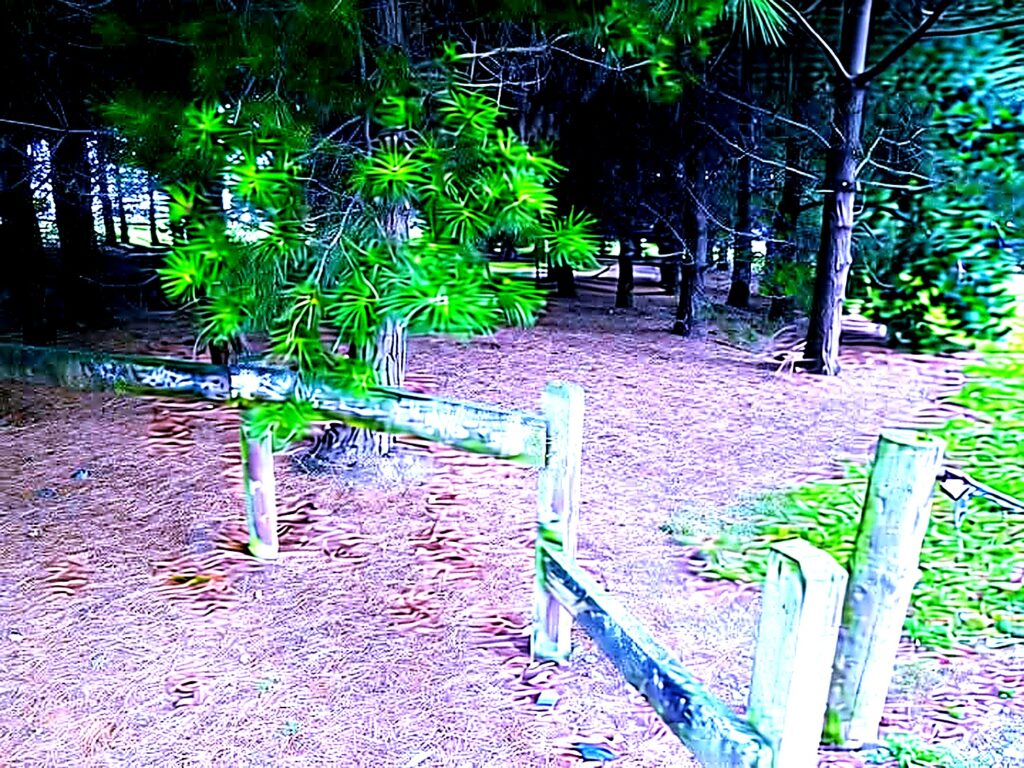
Nothing. Everything. Walked. Sat. Breathed.
Eventually I left. Not because I was bored. Because it felt like time.
Packed my bag. Caught another bus. Kept moving.
But I think about those two weeks sometimes.
The rain under the awning. The fossil trees. The wind at Stirling Point.
Maybe that’s what solo travel gives you. Not adventure. Not stories to tell at parties.
Just space. Quiet. Time to hear yourself think.
Time to realize you don’t need to be anywhere except exactly where you are.