
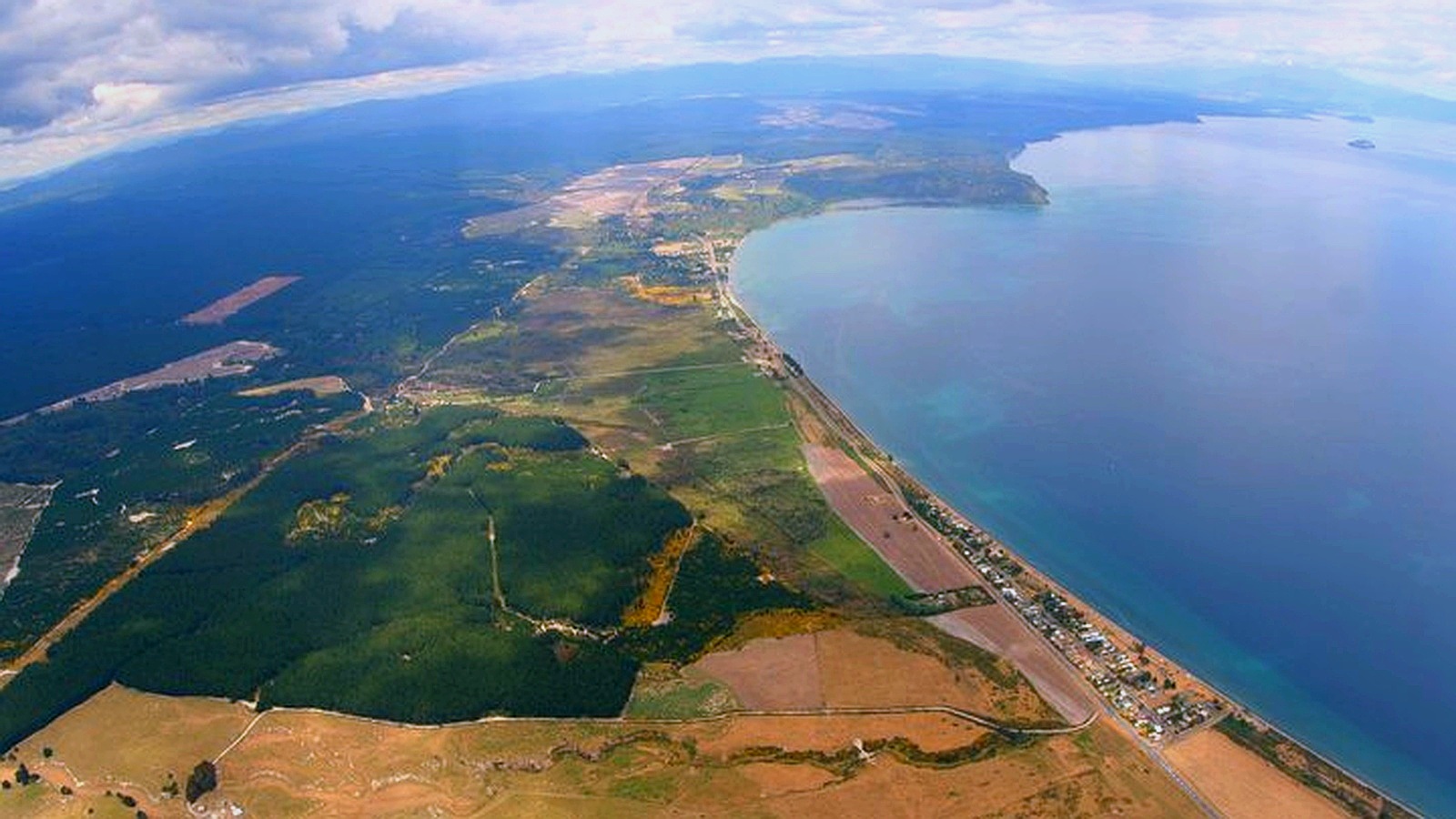
Strawberries, a Truck, and a Police Officer I Wasn’t Expecting
If you read the last instalment of this series, you’ll know that my New Zealand working holiday started with two weeks of eating raw vegetables in a trailer with an eighty-year-old woman. By the time the farm called to say we could start, I was ready for something resembling normal employment.
What I got was normal employment, plus a truck.
5am, Every Morning
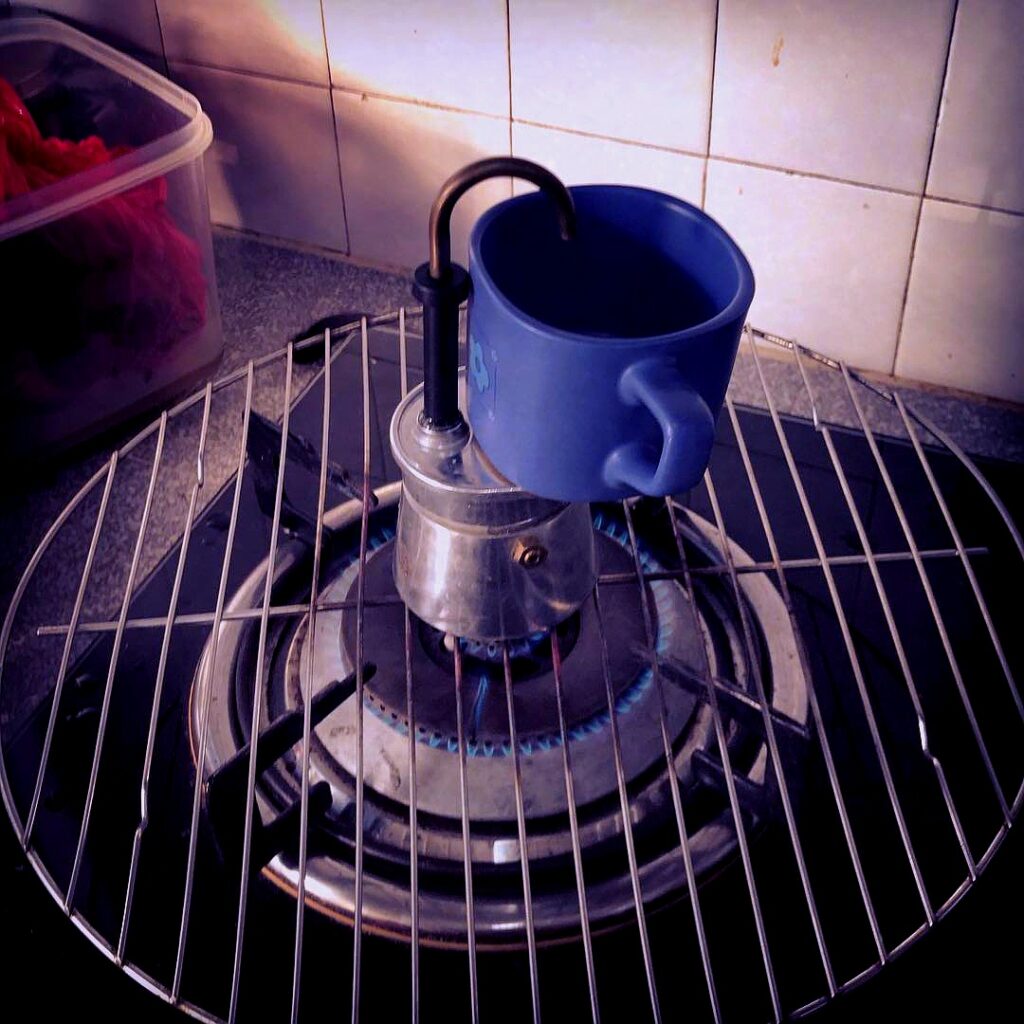
The job started at six. Which meant we were up at five, all seven or eight of us crammed into the house our boss rented to us just down the road from the farm. He was clever like that — the rent came straight back to him, and we were too tired after work to go anywhere else anyway.
The house had three bedrooms. I shared one with my two university friends, the ones I’d couchsurfed with across the North Island before any of this started. The other rooms held the remaining members of our small Malaysian contingent. All women, all in our mid-twenties, all very far from home and finding it surprisingly fine. If you want to know more about Working Holiday Visa, see this.
We cooked together in the evenings. Sat in the living room with cheap beer and talked about nothing important. Planned weekend drives to places none of us had heard of before we got here. It was, looking back, one of the least stressful periods of my adult life. Early to bed, early to rise, no inbox, no deadlines, no notifications. Just strawberries.
The Art of the Perfect Strawberry
The farm grew more than strawberries, but strawberries were our main business. We were trained on the basics first: how to identify the right level of ripeness, the correct size for each grade, how to pack them without bruising, how to hit the weight on each punnet.
I turned out to be fast at packing. Fast enough that I was moved off picking, from the work that required crouching between rows of low-growing plants in the sun, and stationed at the packing table instead. I considered this an enormous personal victory. The only occupational hazard was the plastic punnets, whose edges were sharp enough to leave small cuts across your fingers if you weren’t paying attention. By the end of the season I had developed what I can only describe as a professional relationship with plasters.
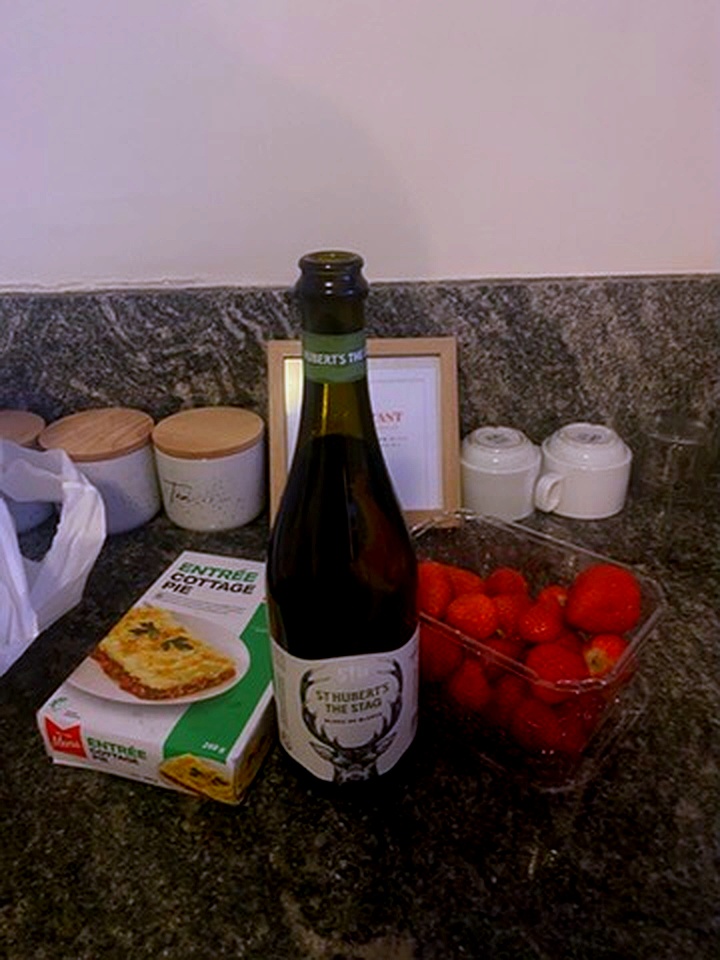
The other workers were mostly Cambodian, long-term employees who knew the farm far better than we did. We didn’t interact much, the language gap and the pace of the work kept us mostly in our own lanes. Until the day our boss decided to turn the whole thing into a competition.
The Race
He lined us up in two teams — us on one side, the Cambodian workers on the other – and announced that whichever team packed fastest would get two hundred New Zealand dollars. The team, not per person.
We all understood exactly what he was doing. Faster packing meant finishing earlier, which meant fewer hours on the clock, which meant a smaller wage bill. We were being offered two hundred dollars to help him save significantly more.
We packed as fast as we possibly could. We won. We went to McDonald’s and spent most of it on things we’d been craving for weeks.
Sometimes you know you’re being outmanoeuvred and you do it anyway, because two hundred dollars split between a group of twenty-something backpackers is still two hundred dollars.
The Truck
About three months in, my boss pulled me aside and asked if I’d be interested in running the roadside stall. Selling strawberries directly to passing drivers, a few spots along the main road that apparently did decent business during the season.
I said yes before I fully processed that the roadside stall required a truck.
I had a Malaysian driving licence, which was valid in New Zealand at the time. What I did not have was any experience driving anything larger than a regular car. My boss showed me the truck, demonstrated the relevant controls, sent me around the yard once, and declared me ready.
The next day, an experienced colleague took me out to show me the stall locations and how to set up. The day after that, I was on my own.
The Police Officer
My first solo day at the stall, I had barely finished setting out the strawberry baskets when a police car pulled up.
The officer climbed out, introduced himself in a broad Kiwi accent, and asked to see my trading licence.
I had no idea there was a trading licence. My boss had not mentioned a trading licence. I stood next to a truck full of strawberries on the side of a New Zealand road, smiled as calmly as I could manage, and called my boss.
There was, it turned out, a trading licence. It was in the glove compartment. My boss was a legitimate business operator who had simply forgotten to tell his newest roadside vendor that this document existed.
The officer checked it, handed it back, and went on his way. I stood there for a moment, then sold strawberries to the next twelve cars that stopped, because the adrenaline had to go somewhere.
I did the roadside selling for about a month. I liked the customer interaction, the small exchanges with people pulling over for a punnet on their way somewhere. But the driving on the unfamiliar roads, the roundabouts, the general anxiety of operating a vehicle significantly larger than I was used to, wore me down. I eventually went back to my boss and told him I wanted to return to packing.
He looked at me for a moment. Then he shrugged and said fine.
I am, apparently, a packing person.
Taupo
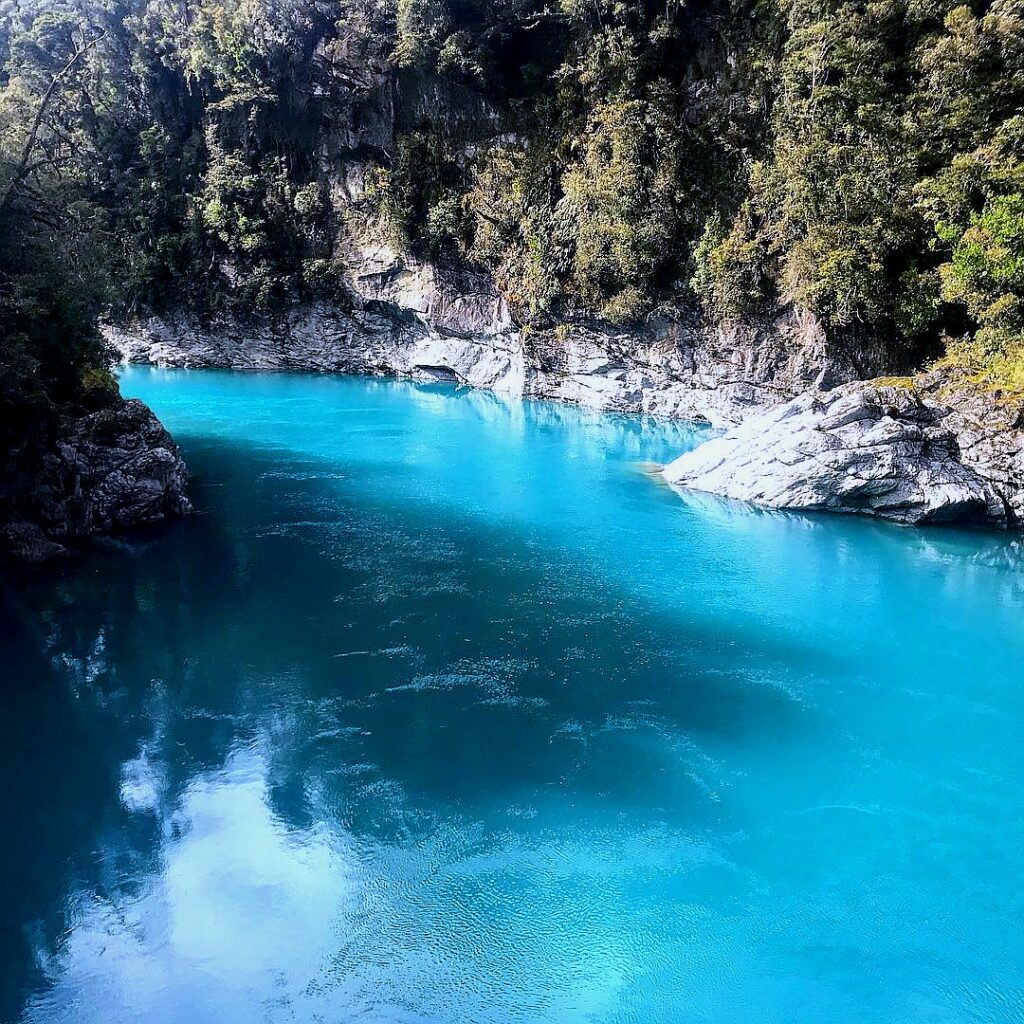
On weekends, we drove. The car we’d bought before the farm, the old Volkswagen that had nearly bankrupted us in Hamilton, finally got to do what it was supposed to do.
One weekend we made it to Taupo. The lake, the thermal parks, the particular quality of light that New Zealand seems to produce in abundance. And then, because someone suggested it and nobody said no, we did a skydive.
I had wanted to skydive for years. I had also been terrified of the idea for years. These two things had existed in comfortable tension until suddenly we were booked and the plane was climbing and there was no longer any comfortable tension, just a door and a very long way down.
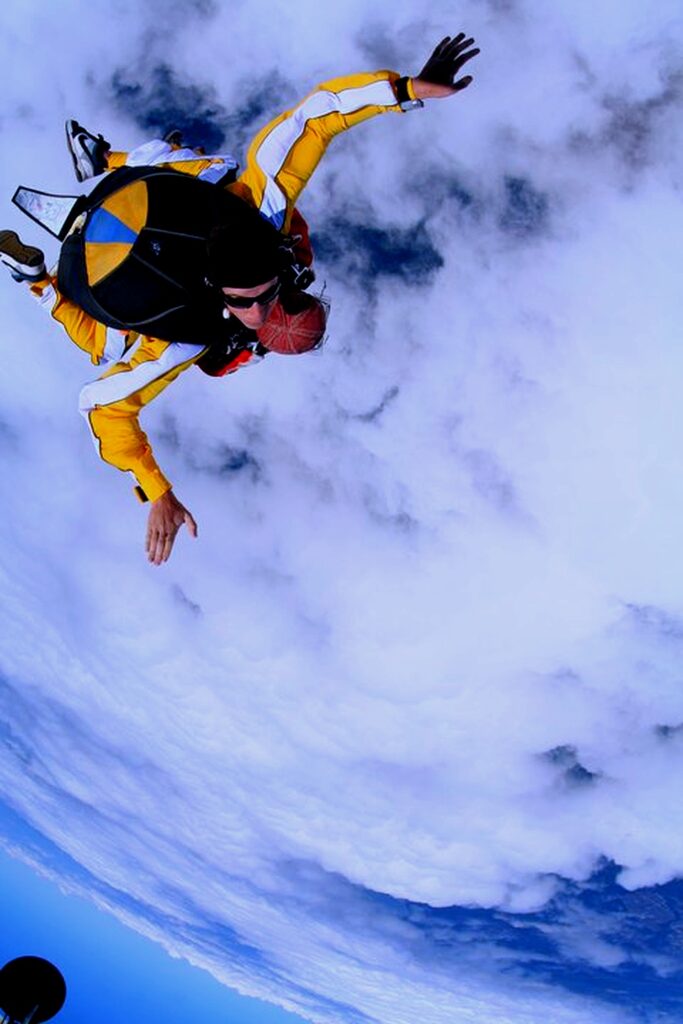
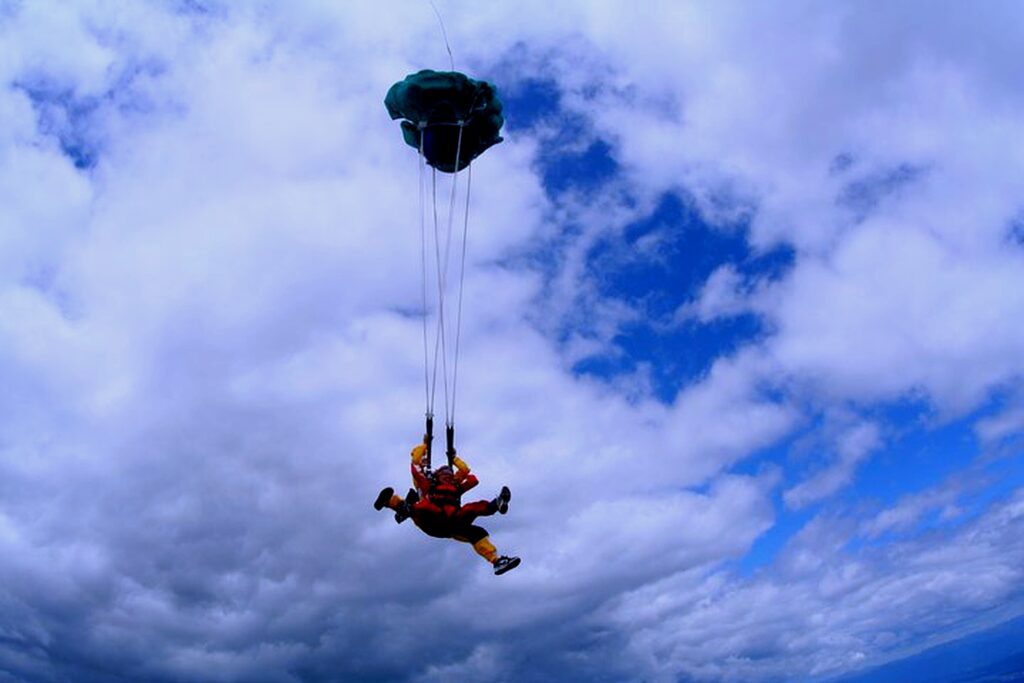
I jumped. The sky opened up around me, wide and blue and completely indifferent to how frightened I was. The lake was enormous below us. The mountains were enormous around us. Everything was enormous and I was very small and it was, without question, worth it.
That evening we drove back to Hamilton, got up at five the next morning, and packed strawberries.
What I Remember Most
It wasn’t the skydive, though I remember that clearly. It wasn’t the police officer, though I remember that too.
What I remember most is the simplicity. The days that started and ended at a fixed time. The meals we cooked together. The evenings in the living room with nothing to do but be present. The complete absence of the low-grade anxiety that, years later, I would come to recognise as my default setting.
I was twenty-something, earning just enough, living in a slightly crowded house in Hamilton, and I was, without fully realising it, very well.