
Two Weeks Cleaning Bunks in Greymouth (And Why I Loved It)
Leaving Hamilton meant leaving steady income. My working holiday visa allowed me to work, but finding something short-term on the West Coast wasn’t going to be easy. So I did what half the backpackers in New Zealand were doing: I found a hostel that traded accommodation for labour.
Four hours a day. Free bed. Breakfast included.
That was the deal.
The Arrangement
The hostel in Greymouth wasn’t fancy. Wooden bunks, shared bathrooms, a kitchen where travellers cooked noodles at midnight. The owner was rarely around. The person who actually ran the place was another backpacker who’d been there longer than the rest of us.
She showed us the ropes. How to strip beds without getting tangled in the sheets. Where the cleaning supplies were kept. Which rooms needed vacuuming, which just needed a quick wipe-down because the guests were only staying one night.
The permanent staff worked the front desk, took bookings, handled money. The rest of us did everything else.
Me and two Malaysian friends. Four hours each morning. Breakfast was toast, jam, instant coffee. After the first few days, we started buying our own food and cooking properly.
Pancake Rocks and the Cold Coffee Decision
Greymouth itself wasn’t the reason people came to the West Coast. It was a transit town. A place to sleep before moving on to something more scenic.
But we weren’t in a hurry.
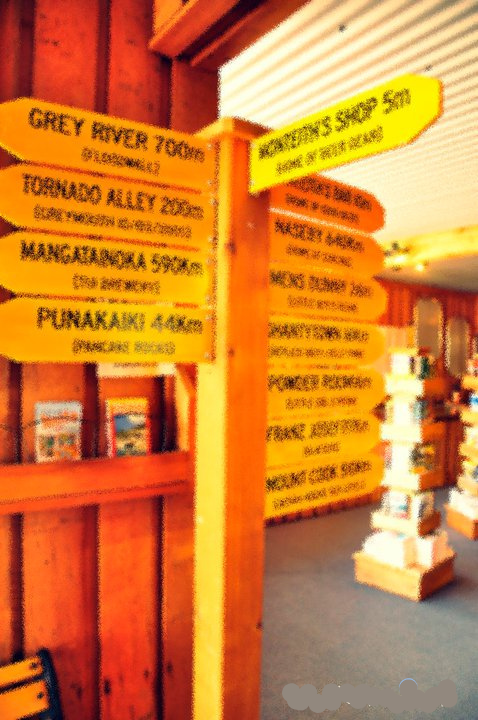
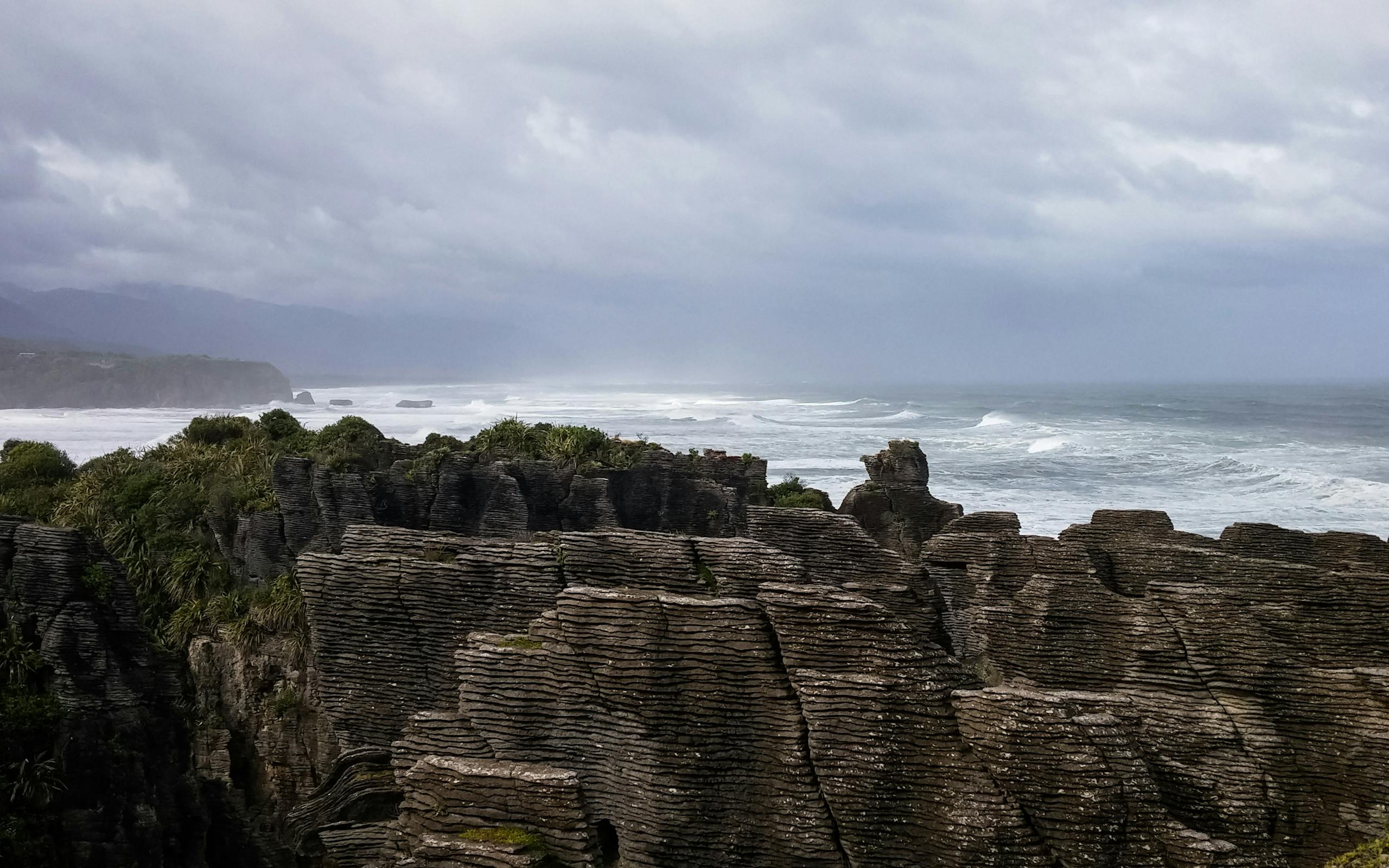
On our days off, we hitchhiked north to Punakaiki to see the Pancake Rocks. Limestone formations stacked like geological pancakes, wave-carved and dramatic. The blowholes erupted when the tide was right, sending spray high into the air.
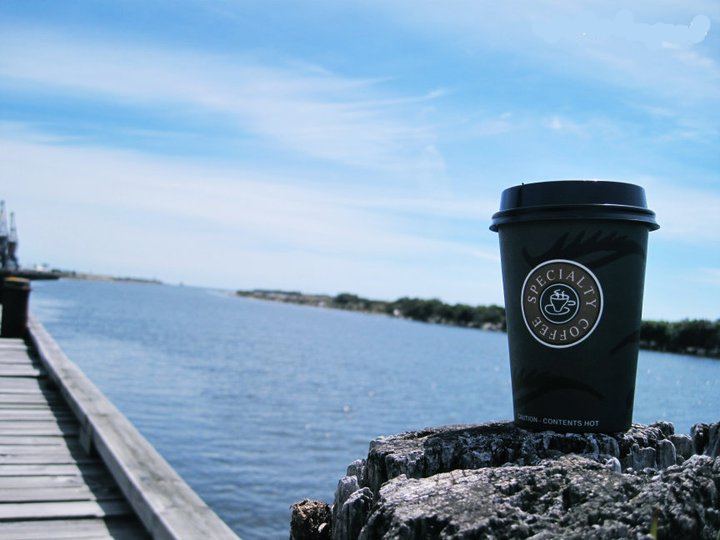
The visitor centre had coffee. Overpriced, but we were freezing. The West Coast gets cold even in summer. Wind coming straight off the Tasman Sea. We bought it anyway and sat there warming our hands around paper cups, watching tourists take photos.
We also went to the black sand beach nearby. Not the touristy kind. Just a stretch of dark, volcanic sand where hardly anyone went. We wandered along the shore, picking up paua shells. Abalone. The insides shimmered with rainbow colours. Blues, greens, purples shifting depending on how the light hit them. We pocketed the prettiest ones.
Some days we’d search for fossils in the rocks. The West Coast’s full of them if you know where to look. Ancient shells, imprints of leaves from forests that existed millions of years ago. We didn’t find anything spectacular. Just fragments. But there was something satisfying about holding a piece of stone that used to be alive.
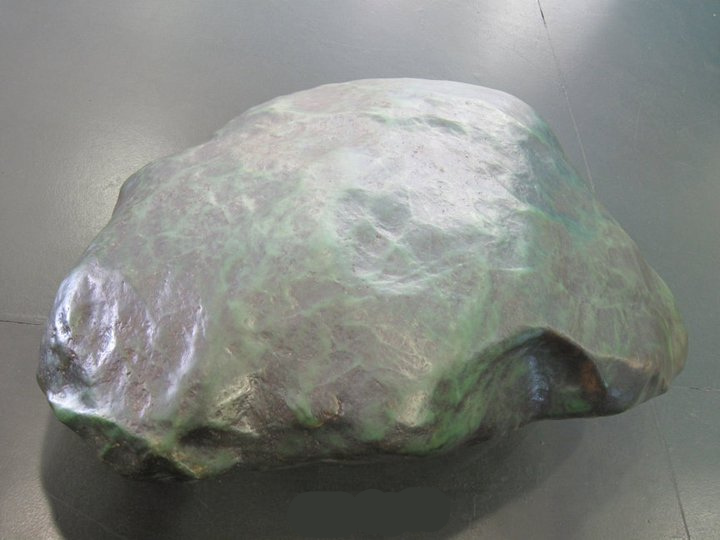
Nobody told us what to do with them. We just liked the way they looked.
Westport and the Seal Colony
One afternoon, we caught a ride north to Westport. Smaller than Greymouth. Rougher around the edges. Old coal mining town energy.
Westport’s the oldest European settlement on the West Coast. Established in 1861. You can tell. The buildings have that weathered, seen-it-all look. Coal built the town, then coal nearly killed it when the mines closed. What’s left is quiet resilience.
We went to the Cape Foulwind seal colony. A wooden walkway leading down to the rocks where dozens of fur seals lounged. Some sleeping, some barking at each other, pups wobbling around clumsily. You could get close. Too close, probably. Nobody stopped us.
The seals didn’t care. They’d look up, sniff the air, then go back to sleep.
There was a lighthouse at the end of the walkway. White, squat, perched on the cliffs. The kind of view where you understand why people used to think New Zealand was the edge of the world. Just ocean. Miles and miles of it.
We stayed until the wind got unbearable, then hitchhiked back.
What Work Exchange Actually Means
People romanticise work exchange. “Free accommodation! Travel for less!” It sounds like a shortcut to adventure.
And it is, sort of.
But it’s also four hours of scrubbing toilets, changing sheets that smell faintly of someone else, vacuuming sand out of carpet, washing communal dishes that nobody claims.
The work isn’t hard. It’s just repetitive. And sometimes boring.
The guests didn’t notice us. We were invisible labour. They’d check in, sleep, check out. Leave their wet towels on the floor, crumbs on the bedside table, half-empty shampoo bottles in the shower.
We’d come in after they left and erase the evidence that they’d been there at all.
But the trade-off was worth it. You stay somewhere longer than you would if you were paying. You meet other backpackers doing the same thing. You get a rhythm. Wake up, work, explore, cook dinner with strangers who become temporary friends.
It’s not glamorous. But it’s real.
The Town and the River
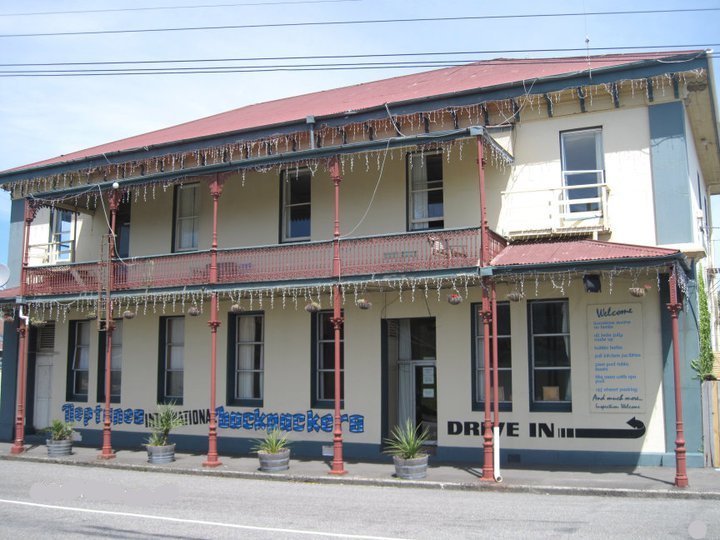
We stayed at Neptune’s International Backpackers. Right on the Grey River. You could sit on the hostel steps and watch the water slide past. Brown, fast-moving, deceptively calm.
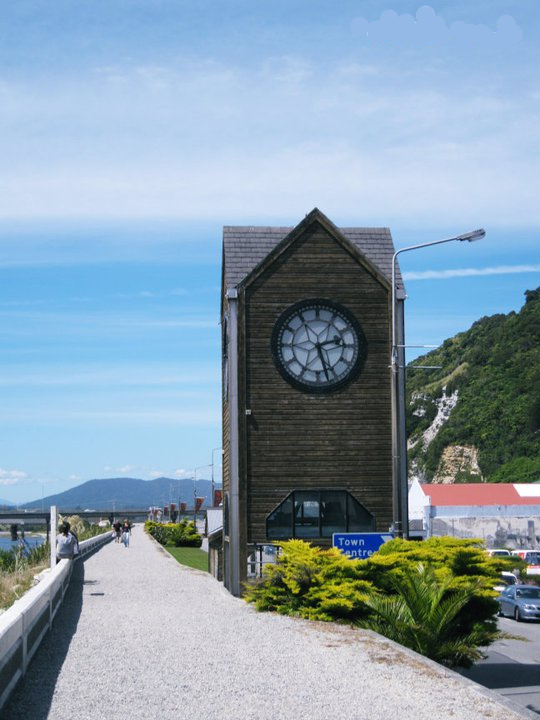
The river’s got history. In 1988, a flood tore through Greymouth and destroyed half the town. The water rose so fast people barely had time to evacuate. Houses washed away. Roads disappeared. The flood defences that exist now didn’t exist then.
Neptune’s is gone now. Closed years ago. But back then, it was full of backpackers like us, working for accommodation, passing through slowly.
We’d walk along the river wall most evenings. The town had rebuilt itself around the flood. Higher stopbanks. Better drainage. A sense of caution that felt permanent.
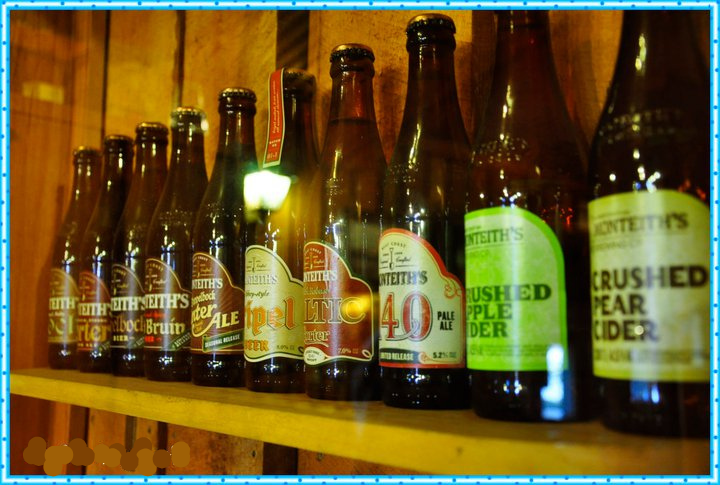
One afternoon, we wandered into Monteith’s Brewery. The beer company that’s everywhere in New Zealand. Free tour. Free tastings at the end. We weren’t particularly interested in brewing processes, but free samples of lager and pilsner made up for it.
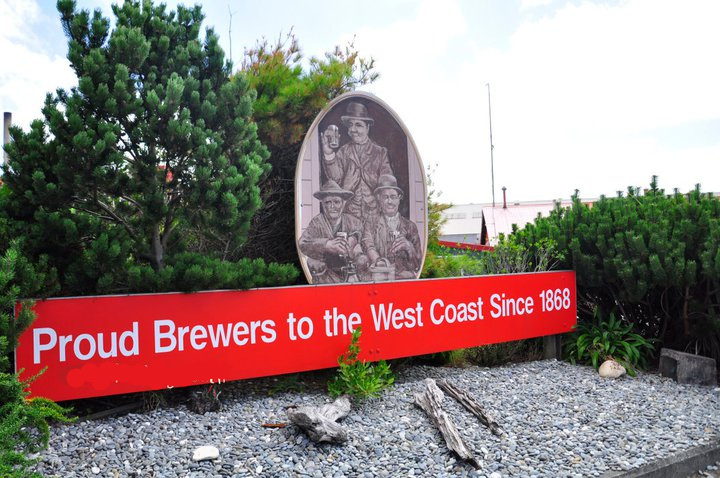
The museum was small. Mining equipment, old photographs, stories about coal and gold and the people who came here looking for both. Greymouth had been built on extraction. Digging things out of the ground, shipping them elsewhere. The town felt like it was still figuring out what it was now that the mines had mostly closed.
But there was something comforting about its quietness. No pressure to be anywhere. No schedule except the four-hour shift each morning.
The Backpacker Who Ran the Place
The girl who trained us had been there for three months. She wasn’t planning to leave anytime soon.
She knew which guests would complain, which ones left the rooms trashed, which ones tipped. She knew how to deal with the owner when he occasionally appeared. She ran the hostel more efficiently than he did.
I asked her why she stayed so long.
“It’s easy,” she said. “I don’t have to think about where I’m sleeping. And Greymouth’s quiet. I like that.”
Some people chase adventure. Some people find a corner of the world that doesn’t demand much and settle in for a while.
She was the latter.
I understood it. There’s a comfort in routines, even when the routine involves cleaning strangers’ toilets. You know what you’re doing. You know where you’re going to sleep. You’re not constantly planning the next move.
But I wasn’t wired that way.
Why Two Weeks Felt Like Enough
By the end of the second week, I was restless.
The work was fine. The people were fine. Greymouth was fine.
But “fine” stops being enough after a while.
I wanted to move. See more. Do something different.
The West Coast had given me what I needed. Pancake Rocks. Seal colonies. Black sand beaches. Paua shells. A few weeks of not worrying about accommodation costs.
But it wasn’t going to keep me.
So we packed up, said goodbye to the girl who was staying, and caught a bus south.
Work exchange gave me two weeks of free accommodation, a few shifts of honest work, and a handful of rainbow paua shells I still have somewhere.
Not bad for toast and instant coffee.