

The Tax Nobody Tells You About: International Payment Fees
Nobody warns you about the fees.
When I landed my first international client, I was so focused on actually getting the work done that I didn’t stop to think about what happened after the invoice. The money would come in, I’d get paid, that was it. Simple.
It is not simple.
Over the years of freelancing as a Virtual Assistant for clients in the US and UK, I have been paid via PayPal, bank wire transfer, Payoneer, Stripe, and eventually Wise. Each one taught me something — mostly by taking a chunk of my money first.
Here’s the full breakdown, so you don’t have to learn it the same way I did.
PayPal: The Easy One That Quietly Costs You
PayPal is where most freelancers start, and honestly, it makes sense. It’s easy to set up, clients are familiar with it, and money arrives quickly. For a while, I didn’t question it.
Then I started doing the math.
Between PayPal’s transaction fees (around 5%) and what is genuinely the worst exchange rate I have encountered anywhere in the world, every payment I received was already smaller than the number on the invoice before I’d done anything with it. For small, frequent payments – which is exactly how VA work tends to go – those losses add up fast.
PayPal is fine if your client insists and you have no other option. But it should never be your first choice.
Bank Wire Transfer: Technically Works, Practically Painful
At some point I had a client who preferred bank wire transfer. Traditional, straightforward, no third-party platform. What could go wrong?
The fees. The fees could go wrong.
For large, one-off payments, wire transfers can make sense. For small weekly payments from an overseas client? The transfer fees eat a genuinely alarming percentage of the total. I once received an amount so reduced by the time it cleared my account that I had to double-check it was the right payment.
And then there was the time I was on the other side.
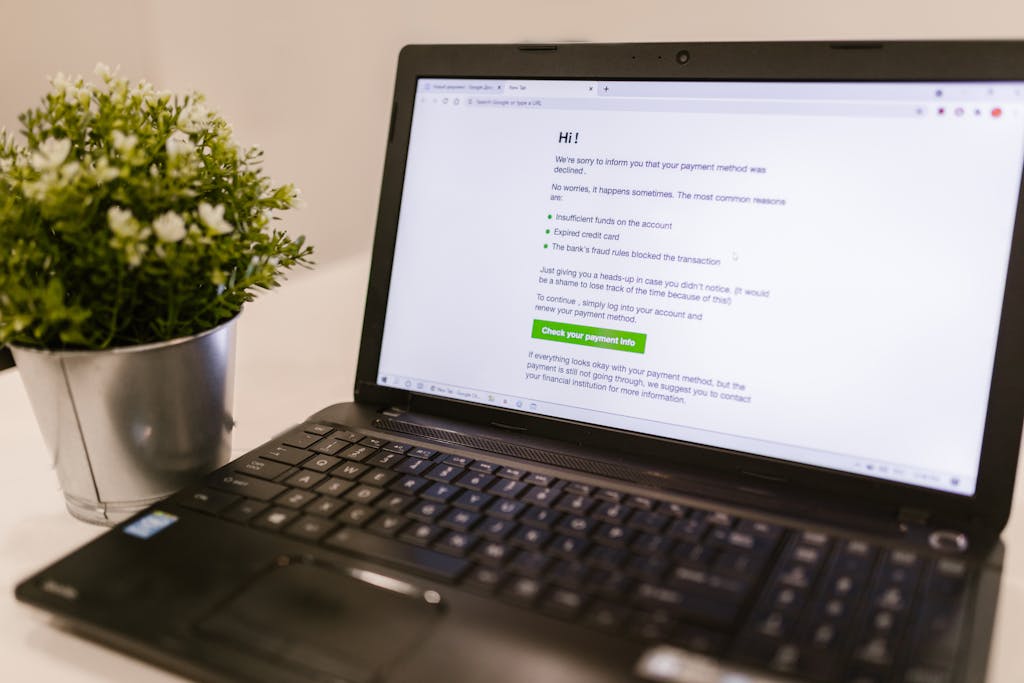
I had taken on more client work than I could handle alone, so I brought in a subcontractor. She could only receive payment via bank wire transfer. I had never sent one internationally before. The process was more complicated than I expected – forms, codes, intermediary bank details — and I got something wrong. The transfer was rejected.
By the time I factored in the outgoing fees, the rejection penalties, and the return fees, I had lost nearly half the original amount. On a payment I was trying to send. I still think about it.
Payoneer and Stripe: The Middle Ground
I went through a period of trying everything, hoping something would be better. Payoneer and Stripe both landed in the “fine but not great” category for my situation.
The fees were lower than PayPal, but still not negligible. The applications were more involved — more documentation, more verification steps, more waiting. And for someone receiving small amounts on a weekly basis, the overhead felt disproportionate to the benefit.
Your experience may differ depending on your client base and payment frequency. But for me, neither stuck.
Wise: Why I Was on the Waitlist
I found Wise the way I find most things: by googling on the internet.
Every time a payment came in and I watched the fees disappear, I’d go looking for alternatives. Forums, Reddit threads, freelancer groups. Wise kept coming up. The catch was that it wasn’t available in Malaysia yet – but there was a waitlist.
I joined the waitlist. When Wise finally opened to Malaysian users, I was in the first batch.
The difference was immediate. The exchange rates were close to the mid-market rate – what you’d see if you just Googled the conversion. But the part that changed everything for me was the virtual accounts – you can open accounts in the same currency your clients pay in, which means receiving money costs nothing. Fees only kick in when you convert or transfer back to your home currency, and even then, they’re transparent and reasonable. For someone getting paid weekly in USD and GBP, that alone was worth it.
I’ve used it as my primary payment method ever since.
[→ Open a Wise account here – this is an affiliate link, which means I may earn a small referral fee if you sign up. It costs you nothing extra, and I genuinely recommend it.]
What I’d Do Differently From Day One
If I were starting over as a freelancer today, the first thing I’d do — before finding clients, before setting rates, before anything – is set up a Wise account.
Not because the other options don’t work. They do, technically. But every month you spend paying unnecessary fees is money that should have been yours. And once you’re used to watching money disappear, it’s easy to stop noticing how much is actually going.
You’ll have enough to figure out when you’re starting out. Don’t make payment fees one of them.
Next up: Couchsurfing solo as a woman – what it’s actually like, what I’d tell my younger self, and why I’d do it all again.