
The Best Travel Memories Cost Nothing
We packed four people into a car and decided to drive nowhere in particular. No research. No “must-see” checklist. Just “let’s see what’s there.” No actual plan beyond “north” and “we’ll stop when we find something interesting.”
Otaki. Te-apiti. Paraparaumu. If you haven’t heard of these towns, that’s the point.
What I expected: picturesque New Zealand coastline, some nice photos, a pleasant weekend getaway before heading back to farm work.
What actually happened: we ate badly overpriced fish and chips on a beach we’d never heard of, wandered into a small shop selling things nobody needs, sat in a café for two hours drinking mediocre coffee while the sea wind ruined our hair, and talked about everything except the view we were supposedly there to see.
The conversation – in the car, at the tables, walking down streets without a plan—became the trip. The towns were just the excuse. And I didn’t realize until years later that this was the template for how I’d travel for the rest of my life.
What We Actually Did (And Why It Mattered)
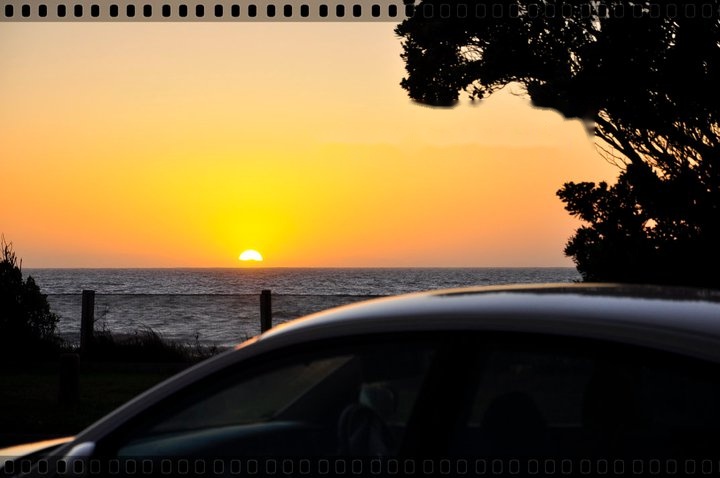
Otaki was a clean, calm beach with proper New Zealand light—the kind that makes everything look like it’s been filtered through someone’s gentle memory. We drove there with no timeline. We stopped for two hours. Not because there was much to do. Because we didn’t need to be anywhere else.
We didn’t Instagram the beach. We sat on a bench and ate mediocre sandwiches from a shop we can’t remember the name of. One of us complained about our boss—how he timed our bathroom breaks, how he’d dock our pay if we were two minutes late coming back from break, how he’d yell at us for making personal phone calls. We laughed about it in that way you only can with people living the same exact precarity.
We talked about what came after this. What we’d do when the working holiday visa ran out. Who’d stay in New Zealand. Who’d go home, and what “home” even meant for each of us. We talked about whether we’d done the right thing leaving. We talked about money—how little we had, how long it had to last, whether we could stretch it until December.
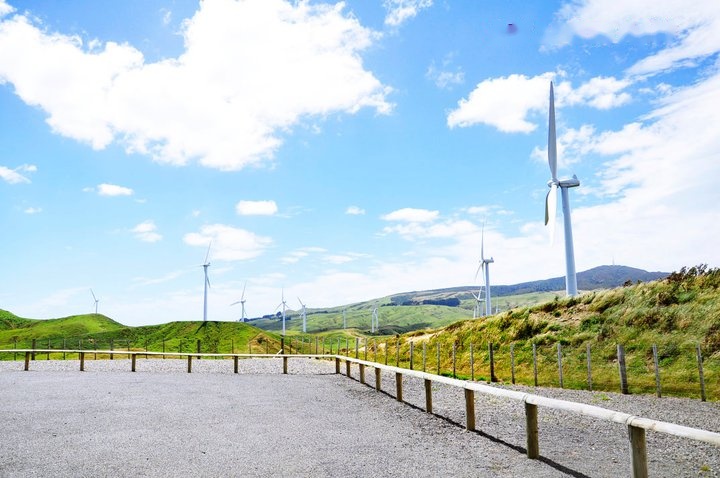
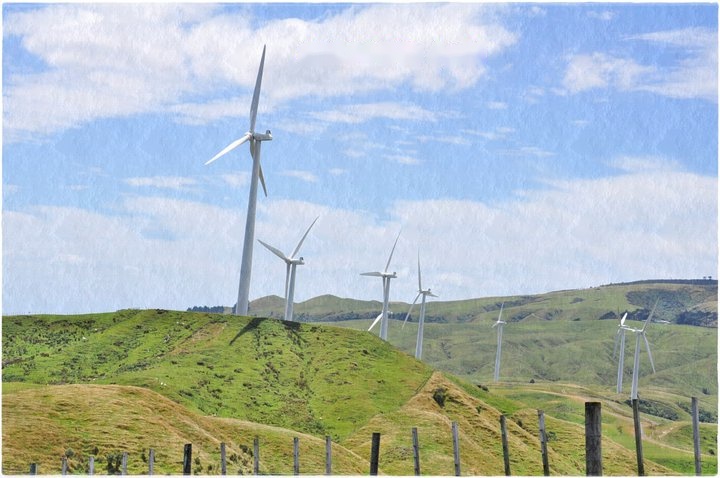
Te apiti had lavender fields and wind turbines in the middle of purple rows. Very pretty. We drove through it, took one photo, kept going. The point wasn’t Teapiti. The point was the forty minutes in the car between Otaki and Teapiti, talking about the future. What would we do next? Would we be brave enough to stay another year? Was adventure worth being broke?
One of us said, “I don’t think I could go home right now.” Nobody disagreed. Nobody had to. We all understood.
Paraparaumu had streets and small art galleries and a café facing the ocean. We wandered. Not with purpose. Just looking in shop windows at strange things made by local artists, the kind of art that nobody wants but someone made anyway. We judged it gently, affectionately. We bought cold drinks. We sat at a table facing the sea and just… existed together in that space.
The Economy of Broken Budgets
We were broke. Working holiday visa meant minimum wage, and even minimum wage disappeared quickly. $15 an hour, before tax, doing farm work. The money evaporated: petrol for the car, accommodation that wasn’t the farm, food that wasn’t what we were harvesting. So the trip had to be cheap.
That turned out to be the secret to everything.
Expensive travel forces you to optimize. You hit the highlights, tick the boxes, move on. Capture the moment. Get the photo. Leave. Cheap travel forces you to sit still. A $5 coffee becomes a two-hour conversation because you’re not worried about the next activity or the next thing you’re supposed to see. A $12 meal forces you to choose somewhere small, where the owners actually work the counter and might chat with you. A beach with no facilities means you just… stay. Watch the light change. Exist quietly somewhere.
We had maybe $200 total for the entire weekend. All four of us. That was it. So we couldn’t rush. We couldn’t optimize. We could only move slowly and talk a lot.
The best moments cost nothing: talking in a car for hours. Sitting on a bench. Walking down a street you’ll never visit again, with people who understand exactly what you’re going through because they’re living it too.
Travel at any budget can give you photos. Cheap travel gives you something else—time with people who matter, in a place that doesn’t.
What I Actually Remember (Years Later)
Here’s what I remember from that two-day road trip, more than a decade later:
Not what Paraparaumu’s main street looked like. I remember the conversation about our boss. How stingy he was. How he’d mark us late if the clock said 8:01 and we weren’t in the paddock. How he’d find any excuse to dock pay. How none of us could imagine working for him after we left. I remember laughing so hard I cried.
I remember the car rides most. That’s where the real travel happened. Not the destinations. The hours between them, talking about money, about freedom, about whether we were running away from something or running toward something. Whether that mattered. Whether the difference even existed.
I remember one of us saying, “I think I could stay here forever,” and everyone going quiet, understanding what that meant. That person didn’t stay. None of us did. But in that moment, on that drive, it felt possible.
I remember eating chips on a beach with people I was certain I’d stay close to forever. I was wrong about that. We scattered. Life happened. We lost touch the way people do.
But when I travel now, at forty, alone more often than not, I still chase that same quality: the moment that costs nothing and means everything.
Why This Still Matters
At forty, I travel differently. More intentionally. More solo. But I still measure every trip against that weekend. I’ve stayed in luxury hotels with perfect views and left feeling empty. I’ve sat in a small-town café on a Monday afternoon with a stranger-turned-friend, drinking mediocre coffee, and felt completely full.
The expensive travel industry wants you to believe that experience is tied to cost. That you need to fly to the right place, stay in the right hotel, photograph the right thing. Instagram needs you to believe that.
But the best travel moments are the ones that aren’t for anyone but you – and the people sitting next to you.
That two-day road trip cost maybe $200 total. It’s still the trip I measure all other travel against. Not because it was luxurious. Because it was true.