
Strangers, Sand Dunes, and the Kindness I Miss
October 2010. I’d just landed in New Zealand with two university friends, and we decided to head north before settling into anything resembling routine. Not south to the tourist spots everyone talks about. North. All the way to the top.
We had no car. Just backpacks, bus tickets, and a rough plan to get to Cape Reinga somehow.
Cape Reinga sits at the northernmost tip of New Zealand’s North Island. It’s where the Tasman Sea meets the Pacific Ocean, where Māori believe spirits begin their journey to the afterlife. We wanted to see it. Wanted that “we made it to the edge” feeling.
What I didn’t expect was that the journey there would stay with me longer than the destination itself.
A Family of Eight (Plus Three Strangers)
We stayed with a Kiwi couple in Whangārei through Couchsurfing. Six kids, six bedrooms, three bathrooms, and on any given night, two or three groups of complete strangers sleeping under their roof.
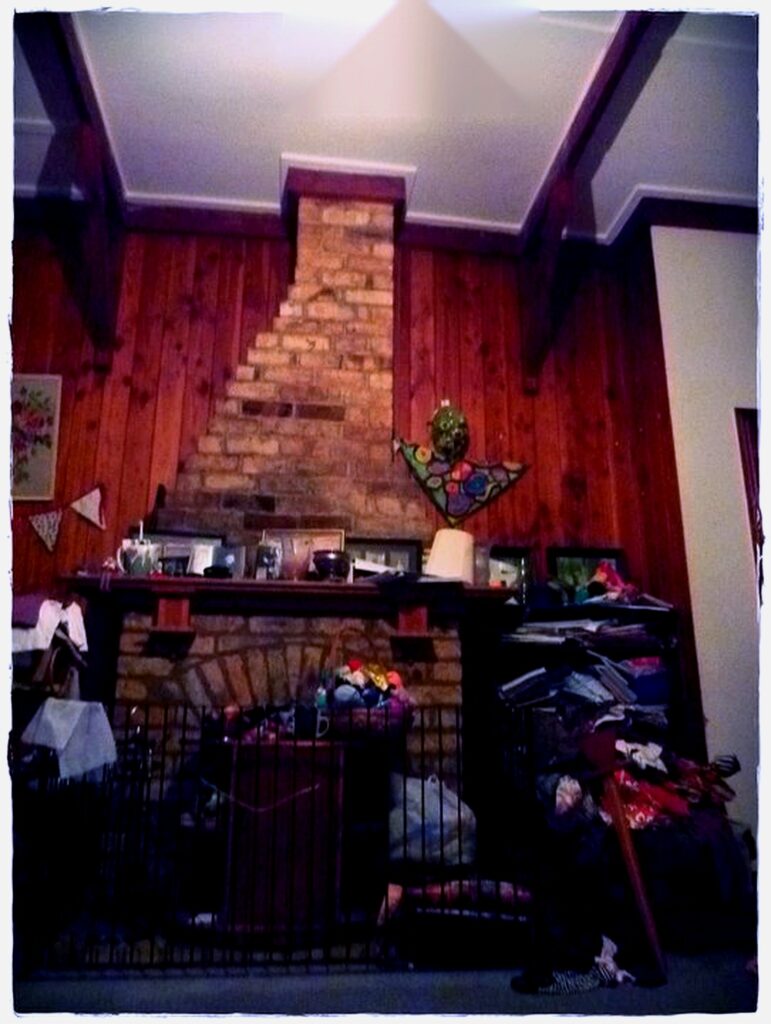
The parents homeschooled all the kids. Every night, different travellers. The kids asked everything – where we were from, did we have boyfriends, what Malaysian food tasted like, had we ever seen snow. Showed us their toys, taught us card games, dragged us into imaginary worlds. Evenings around the fire, the whole household plus whoever was staying, just talking.
I’d never met homeschooled kids before. Expected them sheltered, maybe awkward. They weren’t. Curious, articulate, comfortable with adults in a way that felt natural. The parents fed us proper meals, wouldn’t take money. Said hosting wasn’t about money.
Why I Kept Doing This
I’d started Couchsurfing in England a year earlier, solo trip, terrified the first time. Stayed with a French woman living in London who took me to her local pub, introduced me to her friends, showed me the walking paths tourists never found.
Got hooked after that. Not on free accommodation, though that helped when you’re travelling on nothing. Got hooked on the access. Locals who’d tell you their stories, take you to the places they actually went, not the ones in Lonely Planet.
In York, a university student and his father once took me on a countryside picnic, but not before getting into a full-volume argument about paper maps versus GPS whilst I sat awkwardly in the back seat. They disappeared into the house to continue shouting, came back five minutes later completely calm, and drove me through hedgerows and sheep to a stream where we ate sandwiches. The son told me later that arguing was just “their thing.” That’s what I was collecting. Not sights. Moments like that.
I never felt like I was missing out when hosts didn’t take me to famous spots. Felt the opposite. Like I was seeing something real instead of performing tourism.
People ask why I’d stay with strangers instead of booking a hostel. Hostels are fine. Hostels are easy. But you don’t get a family of eight around a fire telling you about their lives. You don’t get kids asking if you’ve ever been in love. You don’t get someone handing you tea and saying “tell me about Malaysia.”
That’s what I was chasing. Not sightseeing. Connection.
Waitangi and What It Meant
From Whangārei, we took a bus to Waitangi. The Treaty Grounds, where New Zealand’s founding document was signed in 1840 between the British Crown and Māori chiefs. It’s a place of deep significance, complicated history, ongoing tensions about what was promised versus what was delivered.
Walking through the grounds, seeing the wharenui (meeting house), the enormous waka taua (war canoe) carved from massive kauri logs, listening to the guides explain the layers of meaning behind the treaty. It made New Zealand feel less like a holiday destination and more like a place with weight.
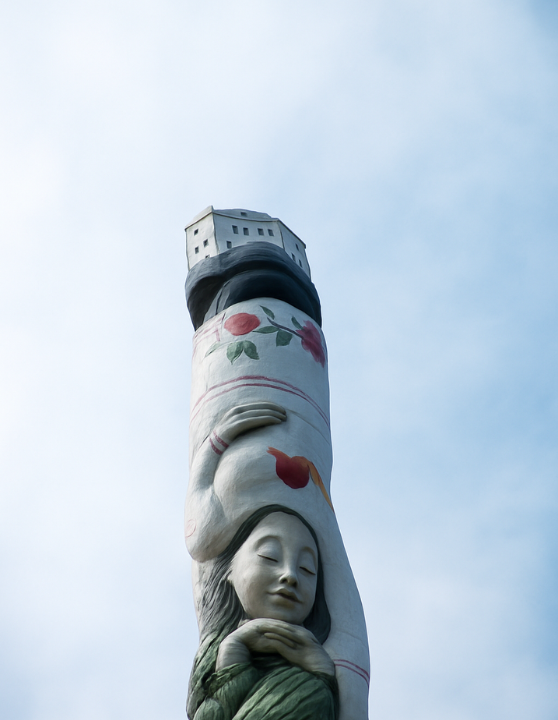
There’s a flagpole on the grounds that’s been cut down and re-erected multiple times as protest. We stood there reading the plaques about it, trying to understand what it means to have a treaty that’s still being argued about nearly two centuries later.
We weren’t tourists taking photos. We were three people from another colonised country, recognising something familiar.
Sand, Speed, and Regret
The sand dunes near Ninety Mile Beach (which is actually 55 miles, because New Zealand) are massive. Te Paki Stream runs through them, and you can bodyboard down these enormous dunes into shallow water at the bottom.
We went on a tour. Got handed boards. Got told to run and jump.
I’m not sporty. Never have been. But I like the feeling of having tried something, even if I’m rubbish at it. Slid down that first dune face, probably looked ridiculous, didn’t care. It’s fast. It’s exhilarating. You’re screaming and laughing and sand’s going everywhere.
Then you have to walk back up. Carrying the board. In soft sand. In the heat.
That’s the bit they don’t mention. The descent is thrilling. The climb back is punishment. Sweet first, bitter after.
Did it three times anyway. If I was going to be exhausted and covered in sand, might as well commit.
The Edge of Everything
Cape Reinga is wind. That’s the main thing. Constant, powerful wind that makes you lean into it just to stand still.
The lighthouse sits above where two oceans collide. You can see the line where they meet, waves crashing into each other from different directions, the water churning. It’s dramatic, beautiful, slightly eerie when you remember it’s a spiritual gateway.
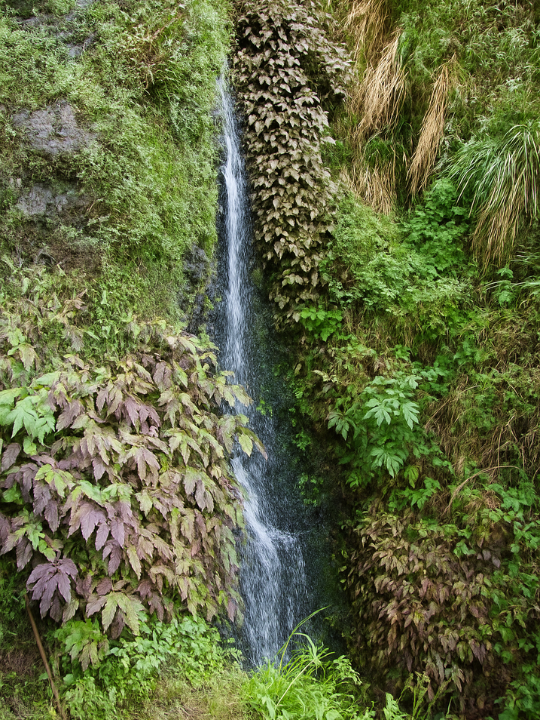
We stood there longer than we needed to. Taking it in. The sea, the wind, the sense of having reached an endpoint. We were at the top of the North Island, about to head back south, about to start the working holiday properly.
That moment felt significant. Like we’d marked something. Like whatever came next, we’d been to the edge first.
What Changed
Couchsurfing still exists. Charges fees now. Vibe’s different. Everyone’s more suspicious, more cautious about opening their homes to strangers. I understand why. But I miss it.
Miss the version where a family would house three foreign students for no reason other than wanting their kids to meet people from elsewhere. Where someone would hand you food and ask about your life and not want anything back except conversation.
That couple in Whangārei gave us shelter, meals, warmth, and their time. We gave them stories about Malaysia, some laughs with their kids, a few hours of company around the fire.
That exchange feels like something from another era now. Pure generosity without commercial value. But I’m grateful I got to experience it. Grateful those kids got to ask their endless questions. Grateful for strangers being kind for no reason other than kindness itself.